In this episode of the Her Health™ Podcast, Phytoceutics® CEO Laura Johnston joins Rene Naylor, a renowned physiotherapist and performance strategist whose career includes over a decade with the Springbok Rugby Team, including their iconic 2019 Rugby World Cup win. With her background in elite sport, Rene brings a wealth of practical insight into resilience, injury prevention, and the fundamentals of performing at your best – whether you’re a professional athlete or a woman navigating the physical demands of everyday life.
Rapid-Fire Myth-Busting with Rene Naylor
Rene shared refreshingly honest takes on health tools by rating them from 0–10:
Cold plunge – 7/10: good for stress, but not pleasant.
Sauna – 6/10: beneficial but context dependent.
Red light therapy – 4/10: “Gives you a glow, not new mitochondria.”
10 000 steps – Forget the number – just move.
Yoga for athletes – 7/10: Underrated. Great for balance, breathing, and flexibility.
Sleep trackers – Useful unless they become a stressor/obsession.
Curcumin – 8/10: Great for inflammation, especially in menopause.
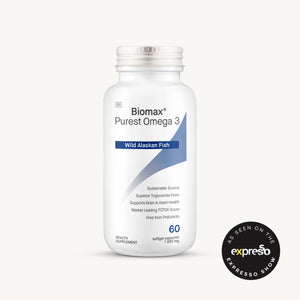
Omega-3 – 9/10: Essential must-have in your regimen.
Magnesium – A strong yes for brain health, recovery, and sleep.
Inside the Springbok High-Performance System
Rene spent over 15 years in the Springbok medical and performance setup, attending four Rugby World Cups and helping guide athletes through some of the most rigorous, high-pressure environments in global sport. She explained that contrary to what many people imagine, elite performance isn’t built on complex trends or futuristic devices – it’s built on unglamorous fundamentals executed consistently.
Leadership, she explained, is everything. When leaders are aligned and clear in their vision, performance naturally follows. The team’s success also hinged on cultivating an inclusive environment where every athlete – whether a starter or reserve – felt valued and understood their role. This culture created what Rene called a “warrior mindset”, where small, daily disciplines ultimately shape world-class results. These lessons, she emphasised, translate powerfully into women’s health, work, and personal resilience.
Why Injury Prevention Matters
Rene explained that her primary job with the Springboks was not fixing injuries – it was preventing them. Effective injury prevention relies on understanding individual risk factors, training loads, movement patterns, and recovery needs. She stated that she believes deeply in body awareness, encouraging women to understand their weak points, hormonal shifts, stress levels, and movement habits.
Importantly, she highlighted that overtraining is one of the most common routes to injury for women. Without enough rest, strength work, mobility, and nutrition, the body becomes vulnerable. Managing training intensity and respecting recovery is essential – and it’s one of the first things women tend to sacrifice in their busy lives.
Rene's non-negotiables for injury prevention:
1. Body awareness – Know your weak spots, what works for your body and what doesn’t.
2. Individual risk profiles – Every athlete needs one for individual injury prevention.
3. Training load management – Volume and intensity monitoring is crucial.
4. Recovery discipline – Sleep, hydration, nutrition, and rest are key.
Smart Training for Women Across Life Stages
Rene and Laura shifted the conversation toward women’s unique physiology and the ways hormonal changes influence training, energy, and recovery. Women in their 20s and early 30s typically experience faster recovery due to higher oestrogen levels, which support joint health, connective tissue elasticity, and muscle repair. This is often the phase where women can push harder, recover faster, and aim for more performance-driven goals.
However, as women approach their late 30s and 40s and enter perimenopause, oestrogen begins to decline, slowing recovery and increasing susceptibility to injuries. This is when strength training becomes essential, not optional. Strength work protects bone density, maintains muscle mass, improves insulin sensitivity, and supports metabolism – all areas affected by hormonal changes.
By the 50s and beyond, strength training becomes a long-term insurance policy for mobility, balance, muscle preservation, and healthy ageing. Rene stressed that the perfect routine isn’t complicated: a balanced week of strength, cardio, mobility, and intentional rest sets women up for success at any age.
Rene’s Own Routine: Movement, Strength & Consistency
Even with decades of high-performance experience, Rene’s personal routine is intentionally simple. She incorporates daily movement as her mood stabiliser, alternating between strength sessions, yoga, Pilates, and long walks in nature. She schedules at least one full rest day each week and prioritises routines that strengthen her mind as much as her body.
Her supplement essentials include omega-3, vitamin C (especially when paired with collagen), high-quality protein, curcumin, and vitamin D3 with K2 – a list curated for inflammation, recovery, immunity, and bone support. But again, she emphasised that supplements are there to complement, not replace, foundational health habits.
The Importance of Sleep for Athletes
Rene explained how today, teams travel with dietitians, sleep specialists, and personalised recovery plans – because the science is clear: sleep and nutrition determine performance.
Athletes aim for 10–11 hours of sleep per night, with data showing that fewer than six hours can increase injury risk by up to 50%. This insight applies equally to everyday women juggling work, parenting, stress, and physical health – sleep is not negotiable.
Connection Over Comparison
Rene closed the conversation with a powerful piece of advice for women: stop comparing, stop competing, and stop being harsh on yourself. She emphasised that the most important thing any woman could do was to stay deeply connected to her own body – cultivating awareness instead of judgement. She encouraged women to give themselves grace, remain true to who they are, and have the courage to be authentic even when it isn't the popular opinion or the dominant energy in the room.
Looking back on her career as a physiotherapist and coach, Rene highlighted that real well-being came from choosing what was genuinely good for your body, rather than blindly following trends or external expectations.
Rene’s insights reminded listeners that women’s health isn't about training harder or following rigid rules – it is about understanding your body, honouring its signals, and making choices that support long-term well-being. Ultimately, her message underscored a simple truth: when women lead with awareness and authenticity, they create the foundation for lasting health, happiness, and strength.
Use code “HERHEALTH” at checkout for 20% off your next order.
This content is for informational purposes only and does not constitute medical advice. Always consult with your healthcare provider before starting any new supplement, especially if you are pregnant, nursing, have a medical condition, or are taking prescription or chronic medication.