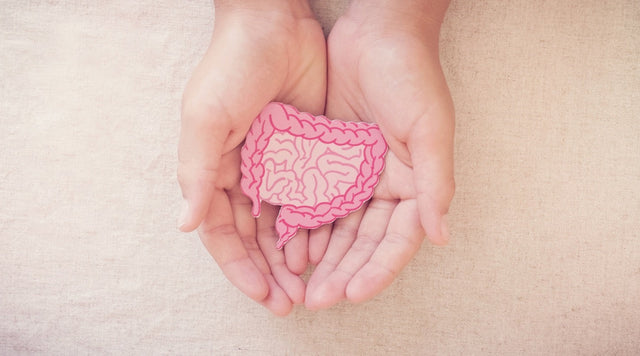
Feeling anxious, foggy, or low without a clear reason? The answer may be hiding in your gut.
Most people think of mood as a brain problem – something that lives entirely in the mind. But a growing body of research is changing the narrative. Your gut and your brain are in constant, two-way conversation, and the state of your digestive system has a profound influence on how you feel, think, and respond to stress.
Understanding this relationship – and knowing how to support it – may be one of the most powerful things you can do for your mental well-being. We explore the connection between the gut-brain axis and mood in depth across our resources – but let's start with the fundamentals.
What Is the Gut-Brain Axis?
The gut-brain axis refers to the complex, bidirectional communication network linking your gastrointestinal tract and your central nervous system. This signalling happens at neural, hormonal, and immunological levels simultaneously, and it operates continuously, whether you are aware of it or not [1].
At the centre of this network is the vagus nerve – a long, branching nerve that runs from your brainstem down into your abdomen and acts as a direct information highway between your gut and your brain. When your gut environment is disturbed, through poor diet, stress, or bacterial imbalance, inflammatory and stress signals travel up this nerve straight to the brain's emotional and threat-detection centres [1,2].
But the story goes deeper than anatomy. Your gut is home to trillions of microorganisms – bacteria, fungi, and viruses – collectively known as the gut microbiome. Research has confirmed that this microbial ecosystem plays a critical role in the development and regulation of both the immune system and the endocrine system, two systems that are intimately tied to mood, anxiety, and stress resilience [1]. The gut microbiome produces neurotransmitters including serotonin, dopamine, and GABA – the very same chemicals that regulate your emotional state. In fact, roughly 90% of your body's serotonin is produced in the gut, not the brain.
When the microbial balance in your gut is disrupted – a state known as dysbiosis – the downstream effects on the brain are significant. Research highlights the connection between gut imbalance and conditions such as irritable bowel syndrome (IBS), anxiety, and depression, noting that stress-related gastrointestinal disorders and psychological symptoms frequently appear together – and for good reason [1]. They share the same underlying communication pathways.
This is why fixing your gut often helps quieten your mind.
Why This Matters for Your Mood
If you have ever noticed your stomach churning before a stressful event, or felt low and irritable after a period of poor eating, you have experienced the gut-brain axis in action. The relationship is not one-directional. Just as mental stress can trigger gut symptoms, gut dysfunction can drive anxiety, low mood, brain fog, and emotional dysregulation [1].
Dysbiosis shifts the signals travelling from your gut to your brain toward a state of alarm [5]. Research has confirmed that gut dysbiosis disrupts the hypothalamic-pituitary-adrenal (HPA) axis and vagal nerve signalling, locking your nervous system into a heightened, fight-or-flight mode [2,5]. Over time, this chronic low-grade activation drains energy, disrupts sleep, worsens mood, and increases vulnerability to anxiety and depression [6].
Evidence-Based Lifestyle Practices to Support Your Gut-Brain Health
The good news is that the gut microbiome is highly responsive to lifestyle. What you eat, how you move, how you sleep, and how you manage stress all directly shape the health of your gut – and through it, your brain.
1. Move Your Body Every Day
Physical activity is one of the most well-studied interventions for both gut health and mood. Regular exercise has been shown to reduce symptoms of depression as effectively as antidepressant medication and psychotherapy in many adults, without the burden of side effects [2]. Movement increases endorphins and other brain chemicals that stabilise mood, reduces stress hormones, and – importantly – supports a more diverse and resilient gut microbiome.
Start with a brisk 10-minute walk daily and build gradually. Add strength training twice a week and consider incorporating mind-body practices like yoga, which have additional benefits for nervous system regulation.
2. Train Your Nervous System with Slow Breathing
Anxiety and chronic stress accelerate your breathing and lock your body into a sympathetic (fight-or-flight) state – which directly impacts gut function by reducing blood flow to your digestive organs and altering gut motility. Slow, controlled breathing interrupts this loop [2].
A simple and effective technique: inhale through your nose for four seconds, pause briefly, then exhale for six seconds. Practise this for five minutes when you feel stressed, anxious, or before bed. Extended exhalation activates the parasympathetic nervous system, helping to calm both the brain and the gut.
3. Reduce Digital Overstimulation
Endless social media scrolling floods your brain with stress-inducing content – conflict, comparison, alarming news – that your nervous system treats as genuine threats, keeping cortisol levels elevated [2]. Chronically elevated cortisol disrupts the gut lining, promotes inflammation, and alters the microbiome [5].
Set defined time windows for checking social media. When you feel the urge to scroll, replace it with a short walk, a few pages of a book, or time with a friend. Your gut (and your mind) will benefit.
4. Clean Up Your Diet and Support Your Gut Environment
This is arguably the most direct lever you have on the gut-brain axis. The foundation of gut repair starts with removing what damages it.
Processed foods – particularly those high in refined seed oils like sunflower, safflower, soybean, and canola – are high in linoleic acid, which can disrupt mitochondrial function and harm the gut environment [2]. Swapping these for traditional fats like grass-fed butter, ghee, or tallow is a meaningful first step.
From there, optimise your carbohydrate intake. Your body requires adequate carbohydrate – around 250 grams daily – to support cellular energy production [2]. If your gut is already compromised, start with easily digestible sources such as whole fruit or white rice, and introduce fibre gradually to avoid triggering gut inflammation.
Once your dietary foundation is stable, introduce fermented foods such as sauerkraut, kimchi, kefir, and plain yoghurt to actively replenish beneficial bacteria. Research supports the use of probiotic strategies to beneficially influence the gut microbiome and, through the gut-brain axis, to potentially support mood and cognitive function [1].
5. Support Your Sleep and Circadian Rhythm
Sleep deprivation increases gut permeability (leaky gut), disrupts the microbiome, and makes the brain's threat-detection centres more reactive, causing an increase in anxiety [2]. Poor sleep and gut dysfunction reinforce each other in a cycle that is difficult to break without addressing both.
Go to bed at a consistent time each night. Turn off screens at least an hour before bed – blue light suppresses melatonin and delays sleep onset. Get natural daylight exposure in the morning to reset your circadian rhythm. These habits stabilise both sleep quality and emotional resilience over time. Read more on science-backed strategies to support your sleep here.
6. Invest in Real-World Human Connection
Social isolation amplifies stress signals in the brain and is associated with worse gut health outcomes. Human connection acts as a biological buffer against anxiety [2]. Meaningful in-person interaction activates neural pathways that promote calm and counteract the hyperactivated stress signals in your brain that feed both anxiety and gut dysfunction.
Make deliberate choices to build and maintain face-to-face relationships. Walk with a friend, join a community activity, or simply share a meal with someone you care about.
Supplementation to Support the Gut-Brain Axis
While food-first approaches to gut health are foundational, a high-quality probiotic supplement can provide meaningful additional support – particularly when the gut-brain axis needs more targeted intervention. Not all probiotics are created equal, however. The most clinically relevant products are those with specific, well-researched strains shown to act on the gut-brain connection directly [3].
Ceregut® Probiotic by Phytoceutics® is a next-generation probiotic designed with exactly this in mind. Delivering 3 billion CFU per serving, Ceregut® contains the same active ingredients as Cerebiome® – a patented, internationally documented probiotic formulation with clinical research supporting its ability to promote a healthy mood balance, support a healthy stress response, and reduce stress-related gut complications [3,4]. For anyone looking to actively support their gut-brain axis beyond diet and lifestyle alone, a targeted probiotic like Ceregut® offers a well-grounded starting point.
Your mood does not begin and end in your brain. It is shaped – daily – by the trillions of microorganisms living in your gut, and the signals they send upward through the gut-brain axis.
By nourishing your gut through diet, movement, quality sleep, and stress management, you are not just supporting digestion. You are supporting the very systems that regulate how you feel, how you think, and how you cope with life.
This content is for informational purposes only and does not constitute medical advice. Always consult with your healthcare provider before starting any new supplement, especially if you are pregnant, nursing, have a medical condition, or are taking prescription or chronic medication.