Perimenopause is one of the most misunderstood phases of a woman's life – and one of the least talked about. Symptoms can start a decade before your last period, they overlap convincingly with stress, and blood tests often come back perfectly normal, leaving women feeling dismissed and confused.
In this episode of the Her Health™ Podcast, Dr Fumane Kokoali, a GP at The Women's Health Practice with a special interest in holistic women's health, brings much-needed clarity to this space. From the earliest warning signs of hormonal fluctuation to navigating HRT, strength training, and the supplements that genuinely matter, this conversation is a practical guide for every woman heading into her 40s — or already wondering what's going on.
Rapid Fire: Wellness and Hormonal Health, Rated
We asked Dr Fumi to rate common approaches to hormonal health from zero (not beneficial) to 10 (highly beneficial):
- Cardio – 5/10: Still valuable for cardiovascular and mental health but loses its effectiveness as a primary tool in your 40s and 50s.
- Strength training – 10/10: Non-negotiable. More on why below.
- HRT (Hormone Replacement Therapy) – 8/10: Highly effective – but depends on where you are in the perimenopausal spectrum and what your symptoms are.
- Contraceptive pill – 3/10: Controversial. Useful in specific circumstances, but not Dr Fumi's first choice.
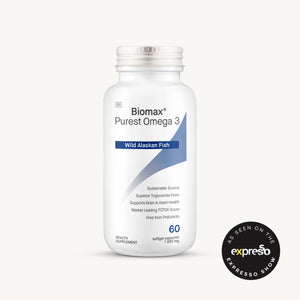
- Omega-3 – 9/10: Excellent for mood, skin, joints, and hormonal health. Fish oils are her preferred form.
- Antidepressants – 7/10: There's a place for them – but shouldn't be the default response to perimenopausal mood changes.
- Fasting – 3/10: Counterproductive for women in perimenopause. More on this below.
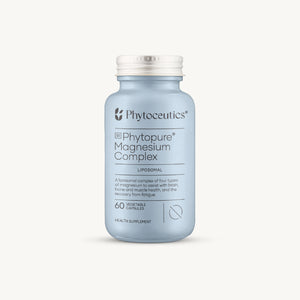
- Magnesium – 10/10: A firm favourite – for sleep, muscle recovery, fatigue, and stress management.
- Alcohol – 2/10.
- Waiting it out – 1/10: Not a strategy.
- Sleep quality – 10/10: Recovery is foundational.
- Stress management – 10/10: Inseparable from hormonal health – cortisol affects every other hormone in the system.
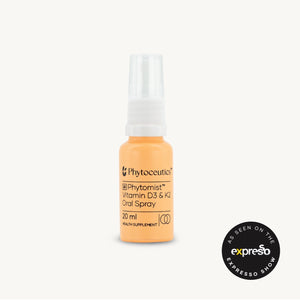
- Vitamin D – 10/10: Essential, and most women are deficient or insufficient without knowing it.
- D3 plus K2 – 5/10: The combination has merit, but context matters.
What Perimenopause Actually Is – and Why It's So Hard to Diagnose
Perimenopause is the phase before menopause, and it can begin anywhere from seven to ten years before your final period. The tricky part? It's almost always a retrospective diagnosis.
"Your period changes a lot later than you actually start to experience other things changing."
Dr Fumi explained that most women don't realise they've been in perimenopause for two or three years until the symptoms accumulate and the picture becomes clearer. Early on, the changes are subtle – a little more anxiety, a little less sleep, heavier periods – and they map so neatly onto the stress of everyday life that it's easy to explain them away.
Dr Fumane's key point: there is no clean line between stress and early hormonal fluctuation. Cortisol – the stress hormone – directly affects progesterone and oestrogen, and when you're already in a period of hormonal shift, stress amplifies those changes significantly. Women in their 40s navigating careers, kids, ageing parents, and everything else rarely have a stress-free baseline to measure from. So they wait, and dismiss, and eventually land in a GP's office exhausted – often years after the process began.
Can Blood Tests Confirm Perimenopause?
This is one of the most important things Dr Fumi addresses — and something many women don't know: blood tests often cannot confirm perimenopause.
Your FSH (Follicle-Stimulating Hormone), oestrogen, and progesterone levels can all come back normal while you're actively experiencing symptoms. The hormonal fluctuations of early perimenopause are cyclical and variable – a single blood draw doesn't capture them.
"One of the hardest things for women is to do blood tests and be told everything's fine and normal – when they know they're not fine."
What Dr Fumi does use blood tests for is ruling out other conditions that mimic perimenopausal symptoms: vitamin D deficiency, B12 deficiency, iron deficiency (especially if periods are heavy), and thyroid dysfunction. If those come back normal and the clinical picture fits, the symptoms are almost certainly hormonal.
Perimenopause is, at its core, a clinical diagnosis – built from symptoms, timing, and conversation.
The Most Common Early Symptoms
With over 80 recognised symptoms spanning virtually every organ system, perimenopause is remarkably broad in its reach. But in practice, Dr Fumi sees these most frequently:
- Sleep disruption – particularly waking between 2 and 3am, wide awake, often with a wave of anxiety alongside it. This is strongly linked to progesterone, the calming, sleep-promoting hormone that drops first.
- Anxiety – especially anxiety that feels sudden, disproportionate, or irrational. If you've never been an anxious driver and suddenly find yourself fearing getting in your car, that's worth paying attention to.
- Gut changes – bloating, constipation, worsening IBS, and even new-onset reflux. The gut microbiome relies on stable oestrogen levels to function well. When oestrogen fluctuates, the microbiome shifts, and digestive symptoms follow.
- Skin changes – dryness, itching, reduced elasticity, and flare-ups of conditions like eczema. Your skin has its own microbiome, and it too is affected by hormonal shifts.
- Night sweats – including cyclical night sweats in the week before your period, which Dr Fumi identifies as an early sign of progesterone beginning to shift.
- Itchy ears and tinnitus – seemingly unrelated, but genuinely hormonal. Oestrogen and progesterone receptors exist throughout virtually every system in the body, including the ear canal.
The Lifestyle Foundation: What to Prioritise First
Before the conversation turns to hormones and prescriptions, Dr Fumane explained that lifestyle changes are the first and most powerful tools available – and the ones that will carry you through every stage of the transition.
Strength Training
Two to three sessions per week. Dr Fumane is emphatic on this.
Cardiovascular exercise – running, cycling, swimming – serves you well in your 20s and 30s. In your 40s, it becomes less effective for weight management, harder on increasingly sore joints, and doesn't address the muscle mass loss that accelerates through perimenopause and menopause. Cardio still has a place for mental health and cardiovascular fitness – but it can't do the job alone.
Strength training does several things at once: it builds and preserves lean muscle mass, lowers cortisol, improves metabolic function, targets the type of fat that accumulates during the hormonal transition, and supports proprioception and balance. The combined effect is a calmer hormonal environment, better body composition, and a more resilient musculoskeletal system going into the decades ahead.
Protein and Eating Before You Train
One of the most common – and counterproductive – habits Dr Fumi sees: women heading to the gym fasted, the same way they did in their 30s. This no longer works, and here's why.
When a woman trains in a fasted state, her body interprets it as scarcity. Female physiology is designed to hold fat and burn muscle during a fast – the biological logic being that fat stores support survival and reproduction. So fasted training accelerates the exact muscle loss you're trying to prevent.
The fix: eat something before you train – even a small amount – to signal to your body that there's no famine. Then prioritise protein in the first hour post-training, when your muscles are actively rebuilding. Protein also stabilises blood sugar, reduces carbohydrate cravings, and supports the muscle-building that strength training stimulates.
Rethinking Intermittent Fasting
Dr Fumi's take is clear: intermittent fasting is poorly suited to perimenopausal women. While it can produce short-term results and may work well for men, the female hormonal system responds differently to prolonged fasting states, holding fat and burning muscle rather than the reverse. The sustained elevation of cortisol that comes with fasting also disrupts the hormonal balance you're trying to restore.
The Three Supplements Dr Fumane Recommends for Every Perimenopausal Woman
Vitamin D
Most women are either deficient or insufficient – and they don't know it. South African sun exposure doesn't translate as simply as we assume: sunscreen use, melanin levels in women of colour, and the way the body deploys vitamin D during hormonal transitions all deplete stores. The body needs vitamin D to continue producing hormones during perimenopause, and without adequate levels, the whole system is working under unnecessary strain. Supplement daily.
Omega-3 (fish oil)
The best available source of omega-3. Dr Fumi recommends it for mood support, skin hydration, joint health, and hormonal regulation – none of which we're consistently getting from diet alone, especially in South Africa, where oily fish isn't a daily staple.
Magnesium Glycinate
Modern soil quality has eroded our dietary magnesium intake considerably. Magnesium glycinate is Dr Fumi's preferred form for perimenopause – gentle on the gut, well absorbed, and effective for sleep, muscle recovery, and the fatigue that so often accompanies this life stage. Particularly useful if you've started strength training and are recovering more actively.
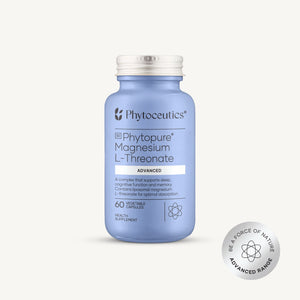
On magnesium L-threonate: newer, crosses the blood-brain barrier, and shows promise for cognitive clarity and brain fog – a common but underacknowledged perimenopausal symptom. Dr Fumi's caution is that for some women, it's stimulating rather than calming at night. Her suggestion: try it during the day first, particularly on days when mental fatigue is high.
HRT: What It Is, When to Consider It, and Why You Don't Need to Be Scared
HRT (hormone replacement therapy) – also now referred to as MHT (menopausal hormonal therapy) – replaces declining oestrogen and progesterone to create a more stable hormonal platform. Dr Fumane describes the transition as a spectrum, and her approach to treatment follows the same logic.
In early perimenopause, lifestyle changes are usually sufficient. In late perimenopause – hot flushes, significant night sweats, sustained mood disruption – HRT is often the most effective tool available.
The in-between phase is where it gets nuanced. Dr Fumi offers a simple framework she uses with patients: track your good days versus your bad days. If your good days are winning, lifestyle management is working. If your bad days are dominating consistently over months, it's time to have the conversation about HRT.
How it's prescribed: Dr Fumi starts low and builds gradually based on symptom response over three to six months. Most women are surprised by how small the initial doses are. The previous association between HRT and increased breast cancer risk – driven largely by a single, now widely criticised study – has been substantially revised by more recent evidence. The risks, for most women, are far lower than the risks of leaving a significant hormonal deficiency unaddressed.
Progesterone first: because progesterone drops before oestrogen in most women, Dr Fumi often starts with cyclical progesterone alone – particularly in women who are still cycling but presenting with mood changes, anxiety, and disturbed sleep. Oestrogen is introduced when oestrogen-deficiency symptoms (dry skin, joint discomfort, hot flushes) begin to emerge.
HRT vs The Contraceptive Pill
Both contain oestrogen and progesterone – but they work very differently. The contraceptive pill suppresses your own hormonal production and replaces it entirely; HRT works alongside your existing hormones to stabilise fluctuations without suppressing them. The pill is a stronger intervention and tends to offer better control over heavy or irregular periods, which is why it may be preferable for some women in earlier perimenopause. Dr Fumane explained that HRT is the better long-term tool for hormonal stabilisation once periods have settled.
Community Questions Answered
Can perimenopause affect fertility?
Yes – but it's complicated. You can still ovulate and fall pregnant during perimenopause, and HRT can help calm the hormonal environment, which may support overall well-being and, indirectly, fertility. However, Dr Fumi is clear that HRT is not a fertility treatment, and anyone trying to conceive in perimenopause needs a full fertility assessment alongside any hormonal support.
Is the increased chance of twins in your 40s real?
Yes. As ovarian function begins to fluctuate, the body sometimes releases more than one egg in what Dr Fumi describes as a "last hurrah" – a surge of hormonal activity before ovarian reserves diminish. This is why fraternal twin rates are statistically higher in women over 40.
Is the timing of menopause genetic?
Largely, yes. One of Dr Fumi's standard questions is: when did your mother go through menopause? If she stopped cycling at 45, a daughter presenting with symptoms at 38 isn't early – she's on a plausible trajectory. The challenge is that many of our mothers had hysterectomies before natural menopause occurred, making that history harder to trace.
One Tip Everyone Can Start Today
"What you did in your 20s and 30s doesn't count anymore. This is a reset. You need to rethink how your body works now. It's about building up to a healthier you in your 60s and 70s."
Perimenopause isn't a problem to solve – it's a transition to navigate. As Dr Fumane reminds us, navigation becomes far easier when you stop fighting your body and start understanding it. Whether it's adding strength training, reconsidering your relationship with fasting, building a targeted supplement foundation, or simply having an honest conversation with your GP about what you're experiencing – every step taken now is an investment in the healthiest version of yourself in the decades ahead.
Use code HERHEALTH at checkout for 20% off your next order.
This content is for informational purposes only and does not constitute medical advice. Always consult with your healthcare provider before starting any new supplement, exercise programme, or wellness routine, especially if you are pregnant, nursing, have a medical condition, or are taking prescription or chronic medication. This unregistered medicine has not been evaluated by SAHPRA for its quality, safety or intended use. If symptoms persist, consult your healthcare provider.