As soon as the temperature drops, the supplement aisle gets harder to navigate. Elderberry gummies beside high-dose vitamin C beside extracts with names most people can't pronounce – all making the same promise.
Supporting your immune system through winter isn't a question of more products. It's a question of which nutrients actually do the work, the role each plays in immune resilience, and how to build a consistent routine around them.
Why Winter Is Harder on Your Immune System
Your immune system works year-round, but it faces specific challenges as the seasons change. Shorter days mean less sun exposure – and that directly affects your vitamin D levels [1]. Cold, dry air compromises the mucosal barriers in your nose and throat that act as your first line of defence [2]. Indoor crowding increases your exposure to circulating viruses [2].
None of this means getting sick is inevitable. It means that building your nutritional foundation before winter arrives is one of the most practical things you can do for your health.
The Foundations: What Your Immune System Actually Needs
Vitamin C: Consistently Earning Its Place
Vitamin C is perhaps the most studied nutrient in immune support. Research has consistently shown that it contributes to the function of immune cells, acts as an antioxidant to protect cells from oxidative stress, and may support the duration and severity of upper respiratory symptoms [6,7].
The challenge with standard vitamin C supplements is absorption – high doses often pass through the gut before they can be utilised. Liposomal delivery changes this significantly, by encapsulating the nutrient in tiny fat-like "bubbles" – called liposomes – helping it escape breakdown before it reaches the bloodstream [16].
If you are only adding one thing before winter, vitamin C is the evidence-based place to start.
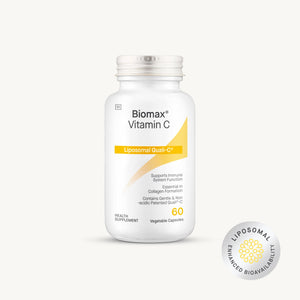
Try: Biomax® Vitamin C Liposomal uses patented Quali®-C liposomal technology for enhanced bioavailability. Non-acidic and gut-friendly, with an increased plasma half-life compared to standard ascorbic acid.
Vitamin D3: The Nutrient Most South Africans Are Still Low In
Despite living in a sun-rich country, vitamin D insufficiency is common in South Africa – particularly in urban adults who work indoors [4]. Vitamin D3 plays a well-established role in regulating the immune response: it helps activate immune cells and supports the body's first-line defence mechanisms [5].
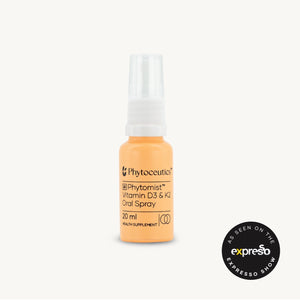
Try: Phytomist® Vitamin D3 + K2 Oral Spray, which pairs D3 with vitamin K2 for immune support and additional cardiovascular and bone support.
Zinc: A Quiet Essential
Zinc is involved in the development and function of virtually every arm of the immune system [8]. Known as the "gatekeeper of the immune system", research suggests that zinc insufficiency impairs both innate and adaptive immunity, and that supplementation supports normal immune function – particularly during periods of increased exposure [9].
It is a nutrient many people are mildly short on without realising it, particularly those who eat little red meat or rely heavily on plant-based sources (which contain zinc in a less bioavailable form).
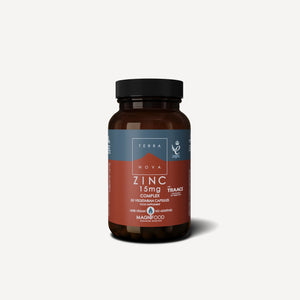
Try: Terranova Zinc Complex – providing zinc as bisglycinate chelate (TRAACS) alongside MAGNIFOOD botanicals for enhanced absorption and broad-spectrum nutritional support.
Quercetin: Going Beyond the Basics
Once your foundation is in place, there are a few more targeted options worth knowing about – particularly if you are prone to picking up bugs in winter or want more comprehensive support.
Quercetin is a bioflavonoid found in many plant foods. Research suggests it supports immune health by modulating inflammatory pathways and providing antioxidant protection against oxidative stress [10]. The challenge, again, is bioavailability.
Quercetin naturally has poor solubility and absorption in the gastrointestinal tract. By encapsulating quercetin in liposomes (phospholipid bilayer vesicles), bioavailability is substantially increased (by up to 20-fold) — protecting the molecule from degradation and enhancing its uptake through the intestinal wall [11,14].
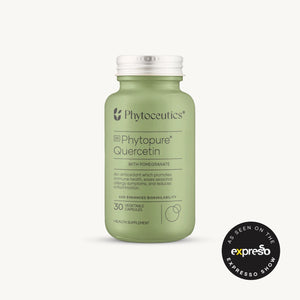
Try: Phytopure® Quercetin with Pomegranate – contains bioavailable QuerciFen® quercetin and Pomanox® pomegranate extract for antioxidant and immune health support.
The Gut-Immunity Connection
A significant proportion of the immune system is located in the gut [12]. Supporting healthy gut flora – particularly a diverse, well-nourished microbiome – has a meaningful knock-on effect on immune function. Prebiotics, probiotics, and postbiotics all play different but complementary roles in maintaining gut barrier integrity and a balanced immune response [15].
Try: Bettergut® contains ButyraGen® tributyrin, which generates butyrate directly in the gut. Butyrate is a short-chain fatty acid that supports the intestinal barrier, promotes a healthy gut microbiome, and contributes to immune regulation [13].
Winter doesn't have to mean dreading every sneeze in the office or running to the pharmacy in a panic. With a few well-chosen nutrients – started consistently before the cold sets in – you're giving your immune system the raw materials it needs to do its job. Start simple: vitamin D3, a bioavailable vitamin C, and a daily gut support. Build from there with zinc and quercetin as you feel confident. No overwhelming supplement stacks – just smart, seasonal self-care.
This content is for informational purposes only and does not constitute medical advice. Always consult with your healthcare provider before starting any new supplement, exercise programme, or wellness routine, especially if you are pregnant, nursing, have a medical condition, injury, or are taking prescription or chronic medication.