In Episode 10 of Her Health™, host Laura Johnston was joined by paediatrician and mom of three, Dr Raphaella Stander, for a practical and refreshingly honest conversation about children’s health. From vaccinations and immunity to sleep struggles and everyday parenting hacks, the episode tackled some of the most debated topics parents face today.
Blending clinical expertise with real-life motherhood experience, Dr Stander cut through misinformation and offered grounded, evidence-based guidance to help parents feel more confident in their decisions.
🎥 Watch on YouTube
🎧 Listen on Spotify
🎙️Listen on Apple Podcasts
Rapid Fire: Setting the Tone
Before diving into the deeper discussion, we kicked off with our signature rapid-fire round – where Dr Stander rated common children’s health topics from 0 to 10 (0 being absolutely not, 10 being strongly supportive).
Her answers immediately set the tone:
-
Co-sleeping – 10/10
-
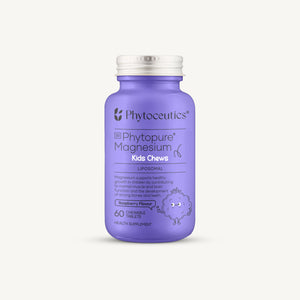
Magnesium for kids – 6/10
-
Omega-3 for kids – 10/10
-
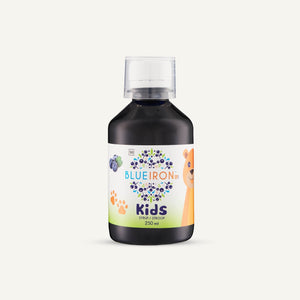
Iron for kids – 10/10
-
Dirty outdoor play – 10/10
-
Antibiotics for viral infections – 0/10
-
Vaccinations – 10/10… “20?,” she laughed
-
Screen time – 4/10
-
Cold and flu syrups – 0/10
-
Vitamin D3 for kids – 8/10
-
Melatonin for kids – 2/10
-
Probiotics – 3/10
Vaccinations and Herd Immunity: Protecting the Community
One of the central themes of the discussion was vaccination – a topic that continues to generate confusion and debate globally.
Raphaella explained herd immunity as a “blanket of protection” for the community. When vaccination rates are high, the spread of serious infectious diseases is limited, which helps protect the most vulnerable – including infants, children undergoing chemotherapy, and those with immune deficiencies.
She emphasised that modern vaccines undergo rigorous and ongoing safety monitoring. Rather than being tested once and forgotten, vaccines are continuously surveilled for adverse events over many years. This long-term monitoring contributes to the strong safety profile seen across routine childhood immunisations.
“Vaccines aren’t just tested over two years. They’ve been around for years and years and years – and they’re constantly monitored.”
Declining vaccination rates worldwide, she noted, are multifactorial. Pandemic-related healthcare disruptions, combined with widespread misinformation on social media, have contributed to growing vaccine hesitancy among parents who are often uncertain rather than strongly opposed. Importantly, she reiterated that autism is primarily a genetic neurodevelopmental condition and that current evidence does not support a causal link between vaccines and autism.
Understanding Meningitis Risk in Children
The conversation turned to meningococcal disease – a rare but potentially devastating bacterial infection.
Dr Stander explained that while viral meningitis is more common and usually less severe, bacterial meningitis can progress extremely rapidly. Early symptoms may initially resemble a typical viral illness, including:
- High fever
- Lethargy
- Vomiting
- Persistent headache
-
Stiff neck
However, she stressed that the classic rash often appears late in the disease, making early recognition critical. A key red flag is a child who appears unusually unwell and does not improve between fever spikes.
She highlighted that newer meningococcal vaccines now available locally have been used internationally for many years and are particularly recommended for children under two and young adults entering high-density living environments such as university residences.
Measles Resurgence and Vaccine Hesitancy
Because measles is extremely contagious, even small drops in vaccination coverage can lead to rapid community spread. Dr Stander noted that one infected individual can transmit measles to 12–18 unvaccinated people, underscoring the importance of maintaining high community coverage.
While one dose of the measles vaccine provides partial protection, full immunity requires the second dose. Raphaella explained that delays do not negate effectiveness but do prolong the period of vulnerability – both for the individual child and the broader community.
Zinc and the Myth of the “Immune Booster”
Another practical takeaway from the episode was a caution against routine zinc supplementation in children, following a call from the South African Health Products Regulatory Authority to cease the distribution, sale, and/or dispensing of selenium- and zinc picolinate-containing products due to safety concerns about possible side effects.
Dr Stander explained that most children obtain adequate zinc from a balanced diet, and long-term supplementation is generally unnecessary unless a true zinc deficiency is identified. Excess zinc intake (in any form) can cause gastrointestinal upset and other unwanted effects.
She emphasised a key principle for parents: there is no single syrup or supplement that can magically prevent children from getting sick. Immune resilience is built through overall health foundations rather than quick fixes.
That said, Raphaella noted that zinc can play a short-term therapeutic role during acute diarrhoeal illness, where it may support gut lining recovery.
Melatonin in Children: Proceed with Caution
Melatonin use in children – particularly in gummy form – has surged globally, but Dr Stander urged caution.
She reminded listeners that melatonin is a hormone, not a vitamin, and should not be viewed as a harmless sleep aid. In her clinical view, routine use in otherwise healthy children is not recommended.
There may be specific clinical situations where melatonin is appropriate, particularly in neurodivergent children with significant sleep–wake dysregulation. However, for otherwise healthy children struggling with bedtime resistance, behavioural and environmental adjustments should come first.
Emerging concerns about potential effects such as early-onset puberty further support a cautious, individualised approach.
Iron Deficiency and Sleep: An Overlooked Connection
One supplement Dr Stander firmly believes in for children is iron – but only when iron deficiency is confirmed.
She explained that low iron stores have been associated with sleep disturbances in children, particularly infants and young children. However, rather than supplementing blindly, she strongly recommended testing iron status first, ideally via ferritin measurement.
Encouragingly for parents, she noted that point-of-care finger-prick testing for babies is becoming more accessible and can reduce the stress associated with traditional blood draws.
Influenza A in Children: Why the Flu Still Matters
Dr Stander also raised awareness about evolving influenza strains, particularly H3N2 subclade K (Influenza A strain).
While the annual flu vaccine may not perfectly match every emerging strain, vaccination still significantly reduces the risk of severe illness and hospitalisation in children.
Influenza can be particularly concerning in paediatrics because of its neurotropic nature – meaning it can affect the nervous system – and is commonly associated with febrile seizures and myositis (muscle inflammation).
One reassuring point is that influenza A (and B) does have an available antiviral treatment (oseltamivir or Tamiflu) that can be effective when started early – especially within the first 72 hours of symptoms or as post-exposure prophylaxis in high-risk households.
Practical Parenting Hacks That Actually Work
Balancing the clinical with the practical, Dr Stander shared several real-world parenting strategies:
For molluscum contagiosum:
Early use of hydrocolloid “pimple patches” with retinols may help trigger immune recognition and speed resolution.
For medication refusal:
Blocking a child’s nose can reduce taste perception and improve acceptance.
For nebulising:
Treatments are often best tolerated once a child reaches deeper sleep – typically around 20 minutes after falling asleep.
For sleep more broadly:
Sleep strategies should be individualised, as children’s sleep drives and needs vary widely.
On co-sleeping, she acknowledged it is a personal family decision rather than a universal recommendation, noting that many children naturally transition out of parental beds as they grow older (around 7 or 8 years old).
Cutting Through the Noise: Evidence-Based Children’s Health Guidance
When asked for one key message for overwhelmed parents, Dr Stander’s advice was clear and practical:
1. Be cautious about relying on social media or parent groups for medical guidance
2. Seek information from trusted healthcare professionals
3. Use evidence-based resources when researching children’s health
Children’s health information has never been more accessible – or more confusing. This episode highlighted the importance of returning to fundamentals: evidence-based medicine, thoughtful supplementation, and personalised care.
Ultimately, Dr Raphaella Stander’s perspective was both reassuring and empowering: trust your instincts, partner with healthcare professionals you trust, and focus on the foundational habits that truly support children’s health. Because when parents are informed and confident, children are better protected – and better able to thrive.
Use code 'HERHEALTH' at checkout for 20% off your next order.
This content is for informational purposes only and does not constitute medical advice. Always consult with your healthcare provider before starting any new supplement, especially if you are pregnant, nursing, have a medical condition, or are taking prescription or chronic medication.