You cleanse, treat, moisturise, and protect. Your routine feels solid – yet fine lines deepen over time, hyperpigmentation keeps returning, and skin feels thinner and more reactive. The issue isn’t lack of effort. It’s what your routine may not be able to reach: the cellular damage accumulating beneath the surface.
When Fair Skin Meets Real Life
Women with lighter skin tones, a history of burning, or family patterns of sun damage often see signs of ageing earlier. Add hormonal shifts – pregnancy, perimenopause, or oral contraceptive use – and pigmentation can become harder to manage [5,6]. Women who diligently apply daily SPF, invest in premium skincare, and avoid intentional tanning may still notice crow’s feet emerging, uneven skin tone developing, and prolonged recovery after sun exposure.
What Most Routines Are Designed to Do
Skincare excels at targeted actions. Retinoids support fine lines and wrinkles, brightening serums correct pigment and texture, and SPF provides surface UV protection. However, these products struggle with deeper cellular challenges – repairing DNA damage from daily stressors, neutralising oxidative stress generated inside skin cells, and supporting cellular repair systems that naturally slow with age [1]. Daily life creates microscopic damage; UV radiation, stress, and pollution generate free radicals within skin cells, causing DNA mutations and collagen breakdown [2]. Topicals work from the outside in – but ageing starts from the inside out, where creams can’t penetrate [1].
Why Repair Slows with Age
As we age, critical repair systems falter. NAD⁺ levels decline, impairing cellular energy for repair, while DNA repair enzymes such as nucleotide excision repair become less efficient. Inflammation lingers longer, turning minor damage into visible signs of ageing [3,4]. Even “minor” daily stressors compound when recovery slows. At the same time, declining oestrogen and progesterone reduce collagen production, leading to diminished skin hydration, firmness, elasticity, increased wrinkles, and sagging as women age [1,6].
UV Damage: The Hidden Ageing Culprit
Even when SPF is applied diligently, small doses of UV radiation reach the skin every day – during commutes, walks, or even while sitting by a window. This cumulative exposure generates reactive oxygen species (ROS) that damage DNA, break down collagen, and trigger inflammation long before visible signs appear [1,7].
How Phytopure® Sunprotect™ Fits In
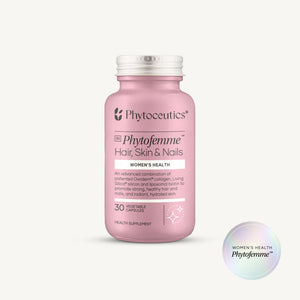
The gap in most routines? Internal cellular repair support — antioxidants that target damage inside skin cells, nutrients that enhance DNA repair, and building blocks for regeneration and resilience [3]. This layer works beneath your existing routine, amplifying its effectiveness. Phytopure® Sunprotect™ delivers targeted internal support through Nicotinamide (Vitamin B3) to support DNA repair after UV exposure and strengthen the skin barrier; Polypodium leucotomos Extract to increase resistance to UV-induced redness and oxidative stress while reducing inflammation; Astaxanthin (AstaPure®) to protect skin cells from UV stress while supporting elasticity, hydration, and barrier function; QUALI®-C Liposomal Vitamin C to boost collagen formation and work synergistically against free radical damage; Vitamin E to stabilise skin cell membranes with antioxidant protection; and Nucleotides, essential building blocks for DNA and RNA that support cellular renewal post-damage. Not a replacement for SPF – but the layer beneath that strengthens skin resilience. Pair with Phytofemme™ Hair, Skin & Nails for comprehensive collagen support.
Your routine isn’t failing – it’s incomplete. Topical products stimulate and protect, but without cellular repair support from within, daily damage accumulates faster than skincare can correct. Sunprotect™ provides that missing internal layer, allowing your full routine to work more effectively, for longer.
This content is for informational purposes only and does not constitute medical advice. Always consult with your healthcare provider before starting any new supplement, especially if you are pregnant, nursing, have a medical condition, or are taking prescription or chronic medication.