There is no shortage of skincare advice – but there is a significant shortage of skincare advice that's grounded in science and delivered without an agenda. In this episode of the Her Health™ Podcast, Dr Vanessa Lapiner, a Cape Town-based dermatologist, brought exactly that. From the gut–skin axis and adult acne to melasma, peptides, and the ingredients worth spending money on, this conversation was built around one idea: understanding what is actually happening in your skin, so you can make better decisions about how to look after it.
Rapid Fire: What Actually Affects Your Skin, Rated
We asked Dr Vanessa to rate common factors from zero to 10 based on their effect on skin health:
- Sunscreen – 100. "Don't do that and don't bother doing anything else."
- The contraceptive pill – 5/10: Hormones can be beneficial for skin – but if you're prone to pigmentation, certain pills will worsen it. Progesterone-driven contraceptives can trigger breakouts. Context matters.
- A high-sugar diet – 0/10: Sugar binds to proteins in the skin and produces advanced glycation end products – stiffening and making collagen brittle. One piece of cake won't age you; a consistently high-sugar diet will.
- Skin cycling – 2/10: Not a fan. For skin that's used to active ingredients, consistency of use matters more than rotation.
- Stress management – 6/10: Cortisol is damaging to skin – but people can lead highly stressed lives and still have good skin if the rest of their routine is sound.
- Sleep – 8/10: A study Dr Vanessa cited found that people who slept adequately had a skin barrier functioning 30% better than those who didn't. Sleep is also when repair systems are activated and collagen production is supported. Beauty sleep is not a myth.
- Satin pillowcases – 6/10: More beneficial for hair than skin – but does reduce physical friction and creasing, particularly relevant with age.
- Retinoids – 9/10: Second only to sunscreen. Activates 125 different gene pathways – anti-ageing, acne, pigmentation, cell turnover. A master ingredient when used correctly.
- Omega-3s – 6/10: Important for skin barrier function – but dietary intake from healthy fats may be sufficient for many. More critical for those with eczema, skin barrier issues, or acne, where it can shift the lipid profile in a more protective direction.
- Antioxidants – 9/10: Prevention is everything. Antioxidants boost sunscreen effectiveness and offer protection against UVA, visible light, and infrared that chemical filters alone cannot provide. The daily shield against environmental damage.
How Ageing Affects the Skin – and What's Actually Driving It
Dr Vanessa opened with a framework that set the tone for the whole conversation: the skin's most visible problems – acne, pigmentation, ageing – are rarely just surface issues. They were the tip of the iceberg. What sits below the surface is where the real work needs to happen.
She described modern dermatology as having shifted from the old model – prescribe a cream, treat the symptom – to something more holistic. Her analogy was memorable: putting a bucket under a leaking roof fixes the immediate problem, but it doesn't fix the roof.
The Gut–Brain–Skin Axis – Why Diet Finally Has the Science to Back It Up
When Dr Vanessa was training, the idea that diet affected inflammatory skin conditions was dismissed. Patients kept telling her their skin flared with stress, poor diet, and alcohol – and the science kept telling her otherwise. That has now completely changed.
The mechanism she explained was the gut–brain–skin axis – a three-way conversation between the gut, the nervous system, and the skin. Stress elevates cortisol, which increases gut permeability, allowing microbial byproducts and cytokines – inflammatory signalling molecules – to leak through. With 70–80% of the immune system sitting around the gut, this triggers an inflammatory cascade that shows up on the skin as acne, sensitivity, or flare-ups.
Specific dietary triggers she identified for acne: skim milk and dairy containing insulin-like growth factor, whey protein, creatine (one of the first questions she asked patients presenting with adult acne), trans-saturated fats, and high-sugar foods.
Her overall position: diet is not a magic bullet, and she would never tell patients to exclude food groups. But it was one meaningful part of the puzzle – and its role is now supported by solid science.
Adult Acne – Why It's So Common and What's Behind It
Adult acne affects approximately 64% of people in their 20s and 43% in their 30s – figures Dr Vanessa described as almost pandemic in scale. And adult-onset acne looks different to teenage acne: lower face, deeper, more nodular, concentrated along the jawline and hairline. Hormonal in character.
She identified three primary drivers: hormonal fluctuation, the gut–skin axis, and – perhaps counterintuitively – doing too much to the skin. Women layering active ingredient after active ingredient, needling, lasering, and over-exfoliating are sensitising their skin barrier and triggering breakouts as a stress response.
"Consistency is going to trump concentration. Be consistent with the things that are important in the right science-led concentrations."
Over-treated skin compensates for dryness by producing more oil, developing perioral dermatitis – little pimples and patches of dryness around the nose, mouth, and eyes – and becomes reactive to everything. What many women believe is acne is actually a rosacea-spectrum response to over-treatment. Less, done consistently and correctly, consistently outperforms more.
The Dr L Protocol – Defend, Renew, Liberate
Dr Vanessa taught skincare through her own framework: Defend, Renew, Liberate – a layered approach to what the skin actually needs.
Defend – The Non-Negotiable Foundation
Defend is the baseline for everyone, from teenagers upward. It covers four things: looking after the skin barrier, supporting the skin microbiome, cleansing at night to remove sunscreen and environmental residue so the skin can regenerate properly, and protecting against UV, visible light, infrared, and free radicals with daily antioxidants.
She was emphatic on screens: UVA comes through windows and causes ageing and pigmentation. Visible light comes from artificial lighting and screens. Sitting indoors all day is not a reason to skip sunscreen or antioxidants.
On the skin microbiome – still relatively new territory in dermatology – she described the skin as a living ecosystem, home to trillions of microbes with their own genetic material. Harsh scrubs, physical exfoliants, and topical antibiotics disrupt both good and bad bacteria indiscriminately. The future of dermatology, she believes, is treating with probiotics rather than antibiotics – rebuilding the microbiome rather than wiping it out.
Renew – Supporting What the Skin Loses
Renew addresses cell turnover – the rate at which skin cells moves from the deeper layers to the surface. As this slows with age, skin becomes dull and uneven. The tools: careful chemical exfoliation (hydroxy acids, not physical scrubs), and retinoids.
On retinoids, Dr Vanessa was clear that retinol is not the same as prescription-strength retinoids like tretinoin, granactive retinoid, or adapalene. Retinol requires a conversion process before it can bind to skin receptors – a process influenced by many variables. Her advice was to start with the strongest retinoid the skin can tolerate, build slowly, and not rush the process.
Liberate – Targeting Specific Concerns
Liberate is where skin-concern-specific ingredients come in. For acne: anti-acne actives. For pigmentation: tyrosinase inhibitors that block the pigment pathway. For anti-ageing: peptides – which she addressed separately.
On mixing brands: she dismissed the idea that sticking to one brand is necessary as pure marketing. Knowing your ingredients and choosing the best product in each category from different brands is entirely valid – and is what she routinely does with her own patients.
Peptides – The Science, the Promise, and the Serious Cautions
Peptides are generating enormous interest – and significant risk.
Topically, peptides fall into four categories: signal peptides that instruct fibroblasts to produce more collagen, neurotransmitter inhibitor peptides that relax muscles in a similar mechanism to Botox, carrier peptides like copper peptides that support wound healing and skin regeneration, and structural peptides like soy and rice proteins that repair the skin.
Topical peptides are well-supported and increasingly well-formulated. The injectable space is a different matter entirely.
The concern she raised is significant: several of the peptides currently being self-administered by the general public – including BPC-157 and Thymosin Beta-4 – stimulate angiogenesis, the formation of new blood vessels. Cancers also require new blood vessel formation to grow. No long-term human trial data exists. Dosing has been extrapolated from rodent studies.
"The same people that were scared of petroleum on their skin are merrily injecting these – and there are risks."
Dr Vanessa explained how in February 2025, Robert Kennedy moved several peptides in the US from the equivalent of an illegal-to-compound category to a legal-to-compound category – but that move has not yet been completed, and it did not constitute FDA approval. Human trials are still pending for most of the peptides in widest use.
Her position: enormous promise for the future, serious caution right now. Topical peptides from reputable, science-led brands – yes. Self-administered injectables from gym instructors or online discount platforms – not yet.
Pigmentation – Understanding the Difference Between Melasma and Sun Damage
Pigmentation falls into two distinct categories that require entirely different treatment approaches.
Sun-induced pigmentation (solar lentigines) is essentially a stain (represented as freckles) – the skin's protective response to UV exposure. Treat it correctly and it goes away. It won't return to the same lesion unless significant sun exposure is repeated.
Melasma is a factory. A pigment-producing process driven by an interplay of collagen breakdown, vascular reactivity, UV exposure, and hormones. It is chronic, it will keep recurring, and treating it too aggressively – or using the wrong laser for the wrong type of pigmentation – can make it worse. The heat used in broadband light therapy, while highly effective for sun damage, can actively aggravate melasma.
Dr Vanessa has melasma herself and spoke candidly about its frustrations. Her approach to managing it combines multiple strategies: daily sunscreen with iron oxide for visible light protection, consistent antioxidants, tyrosinase inhibitors (she noted hydroquinone is being replaced by safer options, including resorcinol, kojic acid, and liquorice root extract), and in severe cases, tranexamic acid taken orally or applied topically to address the vascular component.
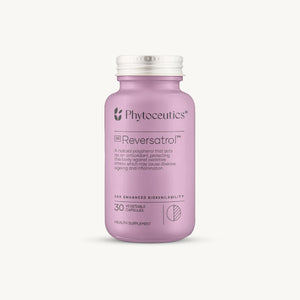
Supplements also play a meaningful role. Polypodium leucotomos (taken an hour before sun exposure) can help increase the minimum erythema dose – the threshold at which skin begins to burn. Glutathione and resveratrol help support results once melasma is under control, and their antioxidant activity helps prevent flaring by reducing the UV and visible light load driving the condition. Read more on how to protect your skin from sun exposure here.
Dr Vanessa was direct on another point: treating melasma while on the contraceptive pill is, in her words, like swimming upstream. Until that hormonal driver is addressed, results will be limited.
Community Questions Answered
Does it matter if you mix skincare brands?
No – and the idea that it does, Dr Vanessa explained, is often marketing, not science. Knowing your ingredients and choosing the best product for each function from different brands is entirely valid. For those new to skincare, starting within a single protocol range makes sense for simplicity. For those with more knowledge, mixing is not only fine but can even produce better results due to unique, concentrated, and targeted products.
How often should you exfoliate?
It depends entirely on the exfoliant. A 10% glycolic acid is once or twice a week. A 2% salicylic acid cleanser could be used daily. Concentration, pH, and molecule size all influence frequency – which is why generic advice to "exfoliate twice a week" is often unhelpful without knowing what someone was actually using.
Should you be injecting peptides?
Not yet. The science is moving fast, but the regulation hadn't caught up. However, topical peptides from reputable brands are well-supported. Injectable peptides outside of a clinical trial or supervised medical protocol carry real, documented risks, and the long-term data simply didn't exist yet.
One Tip Everyone Can Start Today
"Sunscreen, sunscreen, sunscreen. Don't do that, and don't bother doing anything else."
Healthy, resilient skin is the product of consistent, science-led choices – not more products, more treatments, or more actives. As Dr Vanessa Lapiner reminded us, the skin is a living, dynamic organ with its own microbiome, barrier function, and inflammatory signals. Understanding those systems – and working with them rather than against them – is where lasting results come from. Sunscreen first, always. Everything else is built from there.
Use code HERHEALTH at checkout for 20% off your next order.
This content is for informational purposes only and does not constitute medical advice. Always consult with your healthcare provider or a qualified dermatologist before starting any new supplement, skincare regimen, or treatment. This unregistered medicine has not been evaluated by SAHPRA for its quality, safety or intended use. If symptoms persist, consult your healthcare provider.