Cancer is one of the most fear-inducing words in medicine – and yet fear is often what stops women from screening, asking questions, or understanding their own risk. In this episode of the Her Health™ Podcast, Dr Tamiya Nair, radiologist and oncologic imaging specialist, brought the kind of clinical clarity that turns a frightening topic into an actionable one.
From breast cancer screening and dense breast tissue to the BRCA gene, ovarian cancer, and the lifestyle factors that meaningfully influence cancer risk, this conversation was built around one central idea: knowledge isn't something to be afraid of. It is the most powerful tool available to us.
Rapid Fire: What Affects Cancer Mortality, Rated
We asked Dr Tamiya to rate common factors from zero to 10 based on their effect on cancer mortality:
- Exercise – 8/10: Helps maintain a healthy weight, which is directly linked to cancer risk and outcomes.
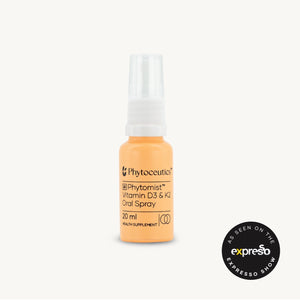
- Vitamin D – 5/10: Hasn't been proven to prevent cancer, but the VITAL study showed that participants who took vitamin D had less aggressive cancers and improved outcomes.
- Curcumin – watch this space: Not yet enough evidence to recommend for large populations in cancer prevention – but an exciting and active field of research.
- Family history – 8/10: Knowing your family history is one of the most important risk-stratification tools available. Women with a significant family history are placed on a closer screening programme.
- Regular screening – 9/10: Early detection saves lives. Breast cancer screening programmes specifically have a well-established evidence base.
- Diet – 8/10: A healthy diet is an excellent foundation for a healthy lifestyle and an important modifier of cancer risk.
- Genetics – 9/10: Certain cancer syndromes significantly influence whether a woman is screened as high-risk or average-risk. Knowing your genetics matters.
- Having the same doctor screen you – 3/10: Trust in your healthcare provider matters – but comparative imaging is more important than seeing the same radiologist. Having access to your own imaging history, wherever you are, is what counts.
Where to Start – Risk Profiling Before Screening
Dr Tamiya opened with a reframe that set the tone for the conversation: screening isn't the starting point. The starting point is understanding your own risk profile.
She recommended that women begin having this conversation in their early 20s and 30s – not because screening is necessary at that age for most women, but because understanding risk early allows for more informed, more personalised decisions later.
The factors she outlined for assessing risk included family history – particularly a first-degree relative like a mother or sister – the number of family members affected, prior genetic testing, a history of chest wall radiation, and dense breast tissue. These factors determine whether a woman is in the average-risk or high-risk category, and shape everything that follows.
For women with a significant family history, she recommended starting mammographic screening 10 years before the age at which the family member was diagnosed. For women without these risk factors, the journey starts with breast self-examination – something that could begin in the 20s and is done regularly in the shower.
From 40, annual mammographic screening was her recommendation for average-risk women. Beyond that, risk is reassessed and screening adapted accordingly.
What Happens When Something Is Found
Dr Tamiya was clear that most lumps aren't cancer – and that her role is to provide reassurance, not generate anxiety.
When a woman presents with a lump, the process is structured and algorithmic. For women over 40, a mammogram is typically the first step, followed by an ultrasound to characterise the finding. The ultrasound determines whether the lesion is solid or fluid-filled. Most findings fall into the clearly benign category – cysts, congenital variations, fibroadenomas – and women are left with reassurance and peace of mind.
When the picture is less clear, a biopsy is the next step. She described the process in deliberately demystifying terms: local anaesthetic, a small needle, a tissue sample taken under imaging guidance, sent to a pathologist who examines it under a microscope. Results typically come back within 24 hours. Most women, she noted, are surprised by how manageable it is.
The BRCA Gene – What It Is and What It Doesn't Mean
Dr Tamiya used Laura's own family history – four generations of breast cancer, with a negative BRCA test – to address a common misconception.
The BRCA1 and BRCA2 genes are two of the most well-known genetic loci linked to hereditary breast and ovarian cancer syndrome. But a negative BRCA result doesn't mean a woman has no genetic risk.
Dr Tamiya explained that science hasn't yet identified all the genes involved in cancer predisposition. Different genetic panels test for different gene subsets. A negative result on one panel still leaves unknown genes unaccounted for. A significant family history, regardless of genetic testing outcome, keeps a woman firmly in the higher-risk screening category.
She also clarified that a positive BRCA result doesn't automatically mean a double mastectomy. The decision is made by a multidisciplinary team – including the woman herself – and advanced screening technology means that close surveillance is increasingly a viable alternative to prophylactic surgery.
The BRCA gene can also skip generations: a mother can be BRCA-negative while a daughter is positive, and vice versa.
Other Cancers Women Should Screen For
Cervical cancer is one of the most common cancers in sub-Saharan Africa and one of the most preventable – screened for through a pap smear conducted by a gynaecologist.
Ovarian and endometrial cancers don't have dedicated general population screening programmes in the way that breast cancer does. Pelvic ultrasound – done by a gynaecologist or radiologist – can characterise ovarian lesions, categorising them as benign or requiring further investigation. Most ovarian cysts are hormonal and benign. When something is concerning, pelvic MRI or a gynaecological laparoscopy can follow.
Dr Tamiya acknowledged the challenge: unlike breast cancer, where annual mammography provides a regular checkpoint, ovarian and endometrial cancers rely more heavily on women presenting when something feels different – and on gynaecologists picking up subtle changes during routine examinations.
Are More People Getting Cancer Younger?
Dr Tamiya addressed this directly, offering a nuanced answer: yes to both more diagnosis and more incidence.
Awareness has increased significantly. Social media, open conversations, and reduced stigma around cancer have brought more women into screening programmes and encouraged earlier presentation. An ageing population also means more cancer overall – the longer we live, the more genetic mutations accumulate.
But beyond those two factors, she was clear that lifestyle and environmental drivers are genuinely increasing cancer incidence – not just detection. Diet, alcohol, smoking, sedentary behaviour, and rising rates of obesity are all associated with increased cancer risk and are contributing to cancers appearing in younger people more frequently.
The proposed mechanism for obesity and sedentary behaviour is chronic inflammation and oxidative stress – though the direct causal link remains difficult to prove in clinical trials. Poor sleep impairs the metabolic and repair processes the body depends on for cellular maintenance overnight.
What Actually Causes Cancer?
Cancer isn't the result of a single factor. A person can do everything right – eat well, exercise, not smoke, not drink – and still develop cancer. She was emphatic that no blame should attach to a cancer diagnosis.
What she offered was a framework for reducing modifiable risk: managing stress, because stress changes behaviour in ways that increase cancer risk; limiting alcohol; avoiding smoking; eating an anti-inflammatory diet; maintaining a healthy weight; getting quality sleep; and moving regularly.
"There's no magic pill – but there are things that are in our control that lead to better outcomes."
Community Questions Answered
How often should women be screening their breasts?
Daily self-examination in the shower was Dr Tamiya's recommendation – not as a clinical exercise, but as a way of knowing your own body well enough to notice change. Mammographic screening annually from the age of 40 for average-risk women. Earlier – typically 10 years before a family member's diagnosis – for higher-risk women. Any new finding between scheduled screenings requires immediate investigation rather than waiting for the next annual appointment.
Can breast pain be a sign of breast cancer?
Usually not. Breast pain is most commonly hormonal and cyclical. Breast cancer typically only becomes painful when it has invaded surrounding tissue – a sign of locally advanced disease. That said, any new or concerning symptom warrants a visit to a doctor.
One Tip Everyone Can Start Today
"Know your background history. Know your risk. Start speaking to family members. Find out if there is a cancer risk. Modify your diet. Avoid or reduce alcohol. Avoid smoking. And get moving."
Cancer screening, as Dr Tamiya Nair reminded us on this episode, is about being informed, knowing your body, understanding your risk, and taking the steps that are within your control. Not all lumps are cancer. Most ovarian cysts are benign. Most women who screen regularly and present early have the best possible chance of an excellent outcome.
When it comes to cancer, understanding your body is the most powerful tool you have to protect it.
Use code HERHEALTH at checkout for 20% off your next order.
This content is for informational purposes only and does not constitute medical advice. Always consult with your healthcare provider or a qualified aesthetic practitioner before starting any new supplement, skincare regimen, or treatment. This unregistered medicine has not been evaluated by SAHPRA for its quality, safety or intended use. If symptoms persist, consult your healthcare provider.