Every spring, the antihistamine aisle sees a familiar surge. You take the tablet, the sneezing settles, you get on with your day – until tomorrow, when you take another. It works, up to a point. But antihistamines are symptom managers. They intercept histamine after it's already been released. They say nothing about why the immune system is releasing it in excess, or why it's treating pollen as though it were a genuine threat in the first place.
That distinction matters. Because allergic responses aren't simply a sign of an overactive immune system – they're a sign of a dysregulated one: a system in which one branch of immune activity has become dominant, and where the regulatory mechanisms that should balance it have lost ground [1]. Addressing the symptoms of that state is useful, but building the conditions for a better-regulated immune response is even more useful.
This is the logic behind the stack approach – four ingredients, each with a specific job, working across the parts of the problem that antihistamines never reach.
What Immune Dysregulation Actually Means for Allergies
In allergically sensitised individuals, Th2 immune activity is dominant – one of two branches of T-helper cell response that broadly govern different immune priorities [1]. Th2 activity promotes the production of IgE (Immunoglobulin E) antibodies, which sensitise mast cells – the immune cells responsible for releasing histamine, leukotrienes, and other inflammatory mediators when they encounter an allergen [2].
The antihistamine blocks the downstream effect of one of those mediators. It doesn't address the Th2 dominance that generated the response, the mast cell activation that released the histamine, or the chronic inflammatory environment that perpetuates both [10].
A well-structured supplement stack works differently. Each ingredient below has a defined role. Together, they address the problem at multiple upstream levels.
Spermidine – The Cellular Renewal Foundation
The immune system is only as functional as the cells that make it up. Under chronic inflammatory load – the kind that accumulates over years of repeated allergen exposure – immune cells accumulate damage, lose precision, and become less capable of appropriate regulation. This is where spermidine comes in.
Spermidine is a naturally occurring polyamine found in foods including wheat germ, legumes, and aged cheese. Its primary mechanism is the induction of autophagy – the cellular process by which damaged components are identified, broken down, and recycled [3]. Autophagy is effectively the immune system's housekeeping mechanism: it clears the cellular debris that would otherwise impair cell function and survival.
In immune cells specifically, autophagy plays a role in regulating inflammatory signalling, clearing dysfunctional mitochondria, and supporting appropriate immune cell differentiation and renewal [4]. When autophagy declines – as it does with age and under chronic stress – immune regulation suffers. Cells that should be resolving inflammation continue driving it.
Research suggests spermidine supplementation may help restore autophagy flux and support immune cell renewal and function [3,4]. In the context of allergy season – where the immune system faces repeated, sustained challenge – supporting cellular quality control is a meaningful upstream investment. One that antihistamines don't make.
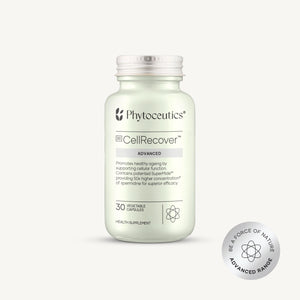
CellRecover™ Advanced provides 10 mg of SuperMide™ spermidine – an allergen-free, biosynthetically produced form – alongside FenuMat® quercetin for additional antioxidant support. Vegan-friendly, sugar-free, and non-GMO.
Quercetin – Upstream Mast Cell Control
Quercetin is a flavonoid found in apples, onions, and capers. In the context of allergy, its most relevant property is one that most people haven't encountered: it may stabilise mast cells and inhibit the release of histamine before it occurs [5].
Unlike antihistamines, which block histamine receptors after the fact, quercetin acts upstream – research suggests it may inhibit the IgE-mediated degranulation of mast cells and suppress the production of pro-inflammatory cytokines involved in the allergic cascade [5]. This is a meaningful distinction: the goal is to reduce how much histamine enters the picture in the first place, rather than managing the consequences of its release.
Quercetin also exerts broad antioxidant activity, which matters here because oxidative stress amplifies the allergic response – free radicals generated during inflammation intensify and prolong the very cascade you're trying to moderate.
The challenge with quercetin in standard supplement forms is bioavailability: it's not efficiently absorbed from the gut, which limits how much of a standard dose reaches systemic circulation [11].
Vitamin C – The Synergistic Partner
Vitamin C contributes to allergy support in two complementary ways.
First, it has a direct relationship with histamine metabolism. Research shows that lower plasma vitamin C levels are associated with higher circulating histamine, and that ascorbate may be involved in the enzymatic degradation of histamine in the body [6]. In other words, adequate vitamin C status is part of the biochemical environment that keeps histamine levels in check.
Second, vitamin C may help regenerate quercetin after it has been oxidised [7]. Quercetin donates electrons as part of its antioxidant function, producing an oxidised quercetin radical in the process. Ascorbate can reduce this radical back to its active form, effectively extending quercetin's active lifespan in the body and amplifying the combined antioxidant effect of both compounds [7].
Each compound reinforces the other's activity, producing a combined effect that neither achieves in isolation.
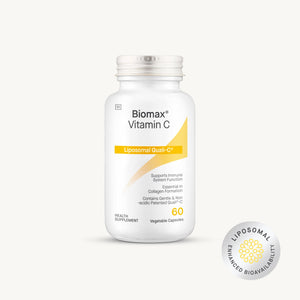
Biomax® Vitamin C provides vitamin C in a highly bioavailable format – ensuring the body has what it needs to keep both compounds working effectively.
Bromelain – Anti-Inflammatory and Absorption Amplifier
Bromelain is a proteolytic enzyme derived from pineapple stem. It serves two distinct and complementary functions.
The first is direct anti-inflammatory activity in the sinuses and upper respiratory tract – the primary site of allergic symptoms during pollen season. Bromelain has been shown to modulate pro-inflammatory cytokine production and may help reduce the mucosal inflammation and tissue swelling that characterise seasonal allergic rhinitis [8].
The second function is as a quercetin bioavailability enhancer. Bromelain's proteolytic activity appears to improve the absorption of quercetin across the intestinal wall, increasing the amount that reaches systemic circulation [9]. This makes the quercetin + bromelain combination more than additive – the bromelain is actively amplifying the effect of the quercetin it's formulated alongside.
This is why the two compounds belong together in a single formulation rather than as separate products taken in parallel.
Phytopure® Quercetin + Bromelain and Similasan Sinus Relief
Phytopure® Quercetin + Bromelain brings these two compounds together in a single capsule – quercetin for upstream mast cell support and antioxidant activity, and bromelain for direct sinus anti-inflammatory action and enhanced quercetin absorption. Together, they address both the histamine-release mechanism and the tissue inflammation that follows, while the bromelain ensures the quercetin is working at meaningful levels [5,8].
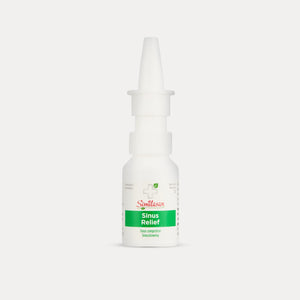
For the symptomatic layer – when pollen has already hit and the sinuses are responding – Similasan Sinus Relief may assist with the temporary relief of nasal congestion, inflammation, and irritation of the nasal mucous membranes. As a homeopathic nasal spray, it works by stimulating the body's own regulatory mechanisms rather than overriding them – with no vasoconstrictors, no rebound effect, and no harsh chemicals. It's a clean, non-habit-forming layer that complements the systemic stack above rather than working against it.
The full stack, summarised:
- CellRecover™ Advanced – spermidine for cellular renewal and autophagy-mediated immune regulation
- Biomax® Vitamin C – histamine metabolism support and quercetin recycling partner
- Phytopure® Quercetin + Bromelain – mast cell stability, histamine control, sinus anti-inflammatory, and enhanced quercetin absorption
- Similasan Sinus Relief – targeted, clean symptomatic relief when you need it most
More Than Managing the Season
Antihistamines have a place. When symptoms are acute, they do a specific job.
But allergy season isn't a single day – it's weeks of repeated immune challenge on a system that, for many people, is already operating under chronic inflammatory pressure. A symptom-suppressing tool used in isolation doesn't address that underlying state.
Each ingredient in this stack contributes something the others can't. Spermidine works at the level of cellular quality and immune regulation. Vitamin C and quercetin form a synergistic antioxidant pair that addresses histamine upstream. Bromelain manages sinus inflammation directly and ensures quercetin is absorbed effectively. Similasan provides relief at the surface when you need it, without disrupting the system underneath.
The goal isn't to override the immune response. It's to give it what it needs to respond more appropriately – and to move through allergy season with genuine resilience.
This content is for informational purposes only and does not constitute medical advice. Always consult with your healthcare provider before starting any new supplement, exercise programme, or wellness routine, especially if you are pregnant, nursing, have a medical condition, or are taking prescription or chronic medication. This unregistered medicine has not been evaluated by SAHPRA for its quality, safety or intended use. If symptoms persist, consult your healthcare provider.