If you reach for an antihistamine every allergy season, you're not alone. They're convenient, widely available, and they work — for a few hours. But there's a growing body of evidence suggesting that the way most people manage allergies is fundamentally reactive. Antihistamines intercept a symptom after histamine has already been released. They do nothing about the cascade that produced it.
Blocking histamine after the fact is a limited strategy. Supporting healthy histamine metabolism upstream, before symptoms escalate, may offer a more complete approach.
What Histamine Actually Is
Histamine is a naturally occurring biogenic amine — a chemical messenger in your immune, nervous, and digestive systems — stored primarily in mast cells and basophils and released in response to a perceived threat: an allergen, pathogen, or physical injury [1]. Once released, histamine binds to receptors throughout the body, triggering vasodilation, increased mucus production, itching, and sneezing [2]. This is the immune system functioning as designed.
The problem arises when the histamine response is disproportionate — triggered too easily, too intensely, or too often. In allergic individuals, the immune system has become sensitised to harmless substances (pollen, dust mites, pet dander) and mounts a full inflammatory response as though they posed a genuine threat [3]. The result is the runny nose, itchy eyes, and sinus pressure that define allergy season for so many people.
The Inflammatory Cascade Antihistamines Ignore
When someone with allergies comes into contact with a trigger — like pollen, dust, or pet dander — their immune system overreacts. Special immune cells called mast cells release histamine along with other inflammatory compounds, which are responsible for common allergy symptoms like sneezing, itching, congestion, watery eyes, and swelling [4].
Antihistamines work by binding to H1 receptors that histamine attaches to, which can reduce allergy symptoms. However, they work after histamine has already been released and do not stop mast cells from continuing to release histamine or other inflammatory compounds. This means they may help manage symptoms, but they do not address the underlying inflammatory response driving allergies [5]. This is why antihistamines often need to be taken regularly throughout allergy season, and why symptoms can return once they wear off.
For many people, this creates a practical dependency: the drug becomes the only thing standing between them and their symptoms, with no change in the underlying reactivity.
Quercetin and Histamine Metabolism
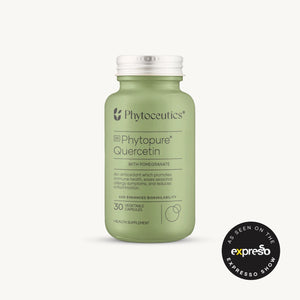
Quercetin is a plant compound (flavonoid) found naturally in foods like apples, onions, berries, and capers. It is one of the most researched natural compounds for supporting healthy histamine balance and immune function. Unlike antihistamines, which work after histamine has already been released, quercetin may help support the body earlier in the process. Research suggests it can help stabilise mast cells — the immune cells responsible for releasing histamine — which may reduce the amount released in response to allergens in the first place [6,7].
As a powerful antioxidant, quercetin may also help support a healthy inflammatory response. Studies suggest it can influence key pathways involved in inflammation, helping to regulate the production of compounds linked to allergy-related symptoms. By supporting both histamine balance and healthy inflammatory signalling, quercetin may help the body respond more calmly to seasonal allergy triggers [8].
Bromelain as a Mucolytic and Anti-Inflammatory Agent
Bromelain is a proteolytic enzyme derived from pineapple stem. Several clinical studies have examined bromelain in the context of nasal symptoms, with findings suggesting it may assist with temporary symptomatic relief of congestion and sinus pressure [10,11].
Bromelain has been shown to support healthy sinus function and may help to thin and clear excess mucus from the nasal passages by reducing mucosal inflammation – the primary driver of mucus overproduction and congestion [9].
Bromelain is commonly combined with quercetin in natural allergy support protocols, as the two compounds may act across different parts of the inflammatory pathways.
Managing Breakthrough Symptoms without Dependency
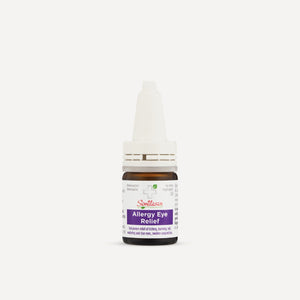
Even with proactive support, allergy season can still produce acute breakthrough symptoms — particularly in the eyes and sinuses. Similasan Allergy Eye Relief is a Swiss homeopathic formulation designed to provide temporary symptomatic relief from allergy-related eye symptoms. It is Preservative-free and contain no vasoconstrictors, and does not prevent the drowsiness associated with first-generation antihistamines.
Similasan Allergy Eye Relief may assist with the temporary symptomatic relief of itching, burning, watering, and redness associated with allergic responses.
Quercetin and bromelain work upstream, supporting the body's histamine-handling mechanisms before acute symptoms escalate. Similasan products work at the point of breakthrough symptoms — managing the discomfort in the moment without adding suppressive chemistry.
This two-phase approach reflects a more complete understanding of how allergic responses work than simply reaching for an antihistamine at the first sign of symptoms. The goal is not to override the immune response — it is to support the body's ability to regulate it.
This content is for informational purposes only and does not constitute medical advice. Always consult with your healthcare provider before starting any new supplement, exercise programme, or wellness routine, especially if you are pregnant, nursing, have a medical condition, or are taking prescription or chronic medication. This unregistered medicine has not been evaluated by SAHPRA for its quality, safety or intended use. If symptoms persist, consult your healthcare provider.