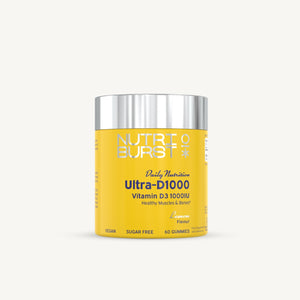
Many common nutrient deficiencies – like iron, vitamin D, and magnesium – can leave you feeling tired, run down, and out of balance. The good news? With the right dietary choices and targeted supplementation, most deficiencies can be corrected, helping restore your energy, immunity, and overall well-being.
What Causes Nutrient Deficiency?
Nutrient deficiencies are increasingly common due to modern diets, lifestyle factors, and increased physiological demands [2].
Even with access to abundant food, many people still fall short on essential nutrients [1]. Highly processed diets, restrictive eating patterns (like vegan or low-calorie diets), chronic stress, poor gut health, and limited sun exposure all contribute to inadequate nutrient intake or absorption.
Symptoms are often subtle at first – fatigue, poor concentration, low immunity, or mood changes – but can become more serious over time if left unaddressed.
Iron: Essential for Energy, Oxygen Transport, and Fatigue
Iron deficiency is one of the most common nutrient deficiencies and can lead to fatigue, weakness, and impaired cognitive function [2].
Iron is an essential mineral and a large component of red blood cells, which plays a critical role in transporting oxygen throughout the body and supporting metabolic processes [2]. Low iron levels can result in iron-deficiency anaemia, which is especially common in women of reproductive age [2].
Key symptoms of low iron:
- Fatigue and low energy
- Pale skin
- Shortness of breath
- Impaired immune function [2]
Dietary sources:
- Red meat, poultry, and fish
- Leafy greens (like broccoli, kale, and spinach)
- Beans
- Seeds (Pumpkin, sesame, and squash seeds) [2]
Recommended intake: 8–18 mg/day
How to support iron levels:
Pair iron-rich foods with vitamin C to enhance absorption [2]. Try Phytomist® Iron Oral Spray for added supplement support.
Zinc: Critical for Immune Health, Skin, and Wound Healing
Zinc deficiency can weaken immunity, slow wound healing, and impact skin health [3].
Zinc is a trace mineral involved in over 300 enzymatic processes, making it essential for multiple physiological processes [1].
Key symptoms of low zinc:
- Frequent infections
- Hair loss
- Poor wound healing
- Changes in taste or smell [3]
Dietary sources:
- Oysters and shellfish
- Red meat
- Nuts, seeds, and legumes
- Whole grains and dairy [1]
Recommended intake: ~10 mg/day
How to support zinc levels:
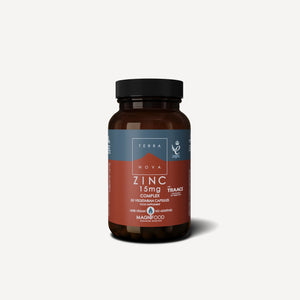
Include a variety of zinc-rich foods and consider supplementation during times of increased immune demand or dietary restriction. Try Terranova Zinc Complex for added supplement support.
Magnesium: Vital for Energy, Sleep, and Muscle Function
Magnesium deficiency can contribute to poor sleep, muscle cramps, and fatigue [2].
Magnesium is involved in hundreds of biochemical reactions, including energy production, nerve function, bone development, and muscle relaxation [1]. Many people don’t get enough due to soil depletion and processed food consumption.
Key symptoms of low magnesium:
- Muscle cramps or twitches
- Poor sleep
- Fatigue
- Migraines
- Restless leg syndrome [2]
Dietary sources:
- Nuts and seeds
- Whole grains
- Leafy greens
- Legumes
- Dark chocolate [1,2]
Recommended intake: ~250 mg elemental magnesium/day
How to support magnesium levels:
Increase intake through whole foods and consider magnesium supplements, particularly for stress, relaxation, cognitive function , or muscle recovery support. Try Phytopure® Magnesium Complex for added supplement support.
Vitamin B12: Essential for Energy, Brain, and Nerve Health
Vitamin B12 deficiency can cause fatigue, brain fog, and nerve-related symptoms [2].
B12 is crucial for DNA synthesis, red blood cell production, and maintaining a healthy nervous system. Because it is found almost exclusively in animal products, those following plant-based diets are at higher risk of deficiency [1].
Key symptoms of low B12:
- Fatigue and weakness
- Brain fog or memory issues
- Muscle pain
- Anaemia [1]
Dietary sources:
- Shellfish
- Organ meat
- Meat and dairy products
- Eggs [1,2]
Recommended intake: 5-35 mcg/day
How to support B12 levels:
If you follow a vegetarian or vegan diet, supplementation is often necessary to maintain optimal levels. Try Phytomist® Vitamin B12 Oral Spray for added support.
Vitamin B9 (Folate): Essential for Red Blood Cell Formation, and Healthy Pregnancy
Folate deficiency can lead to anaemia, impaired cell function, and serious developmental risks during pregnancy [1].
Folate (vitamin B9) plays a critical role in DNA and RNA synthesis, methylation processes, and the production and maturation of red blood cells. It is especially important during periods of rapid growth, such as pregnancy, where it supports proper nervous system development in the foetus [1].
Folate deficiency is more common in individuals with poor dietary intake, chronic alcohol use, malabsorption disorders, or increased physiological demands such as pregnancy [1].
In pregnancy, low folate levels are strongly associated with neural tube defects, making adequate intake before and during pregnancy essential [1].
Key symptoms of low folate:
- Fatigue and weakness
- Anaemia
- Shortness of breath
- Irritability [7]
Dietary sources:
- Leafy green vegetables (spinach, broccoli, lettuce)
- Legumes and whole grains
- Meat, eggs, and dairy [1]
Recommended intake: 400–500 mcg/day
How to support folate levels:
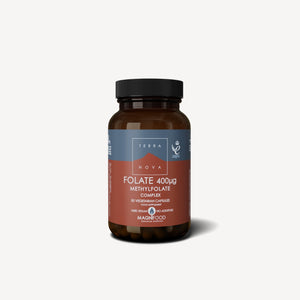
Consume a diet rich in leafy greens and whole foods, and consider supplementation –particularly for women of reproductive age. For optimal prevention of neural tube defects, supplementation should ideally begin 5–6 months before pregnancy. Try Terranova Folate Complex for added supplement support.
Vitamin B7 (Biotin): Supports metabolism, hair, and skin health
Biotin deficiency can affect energy metabolism and contribute to hair thinning and skin issues.
Biotin plays a role in converting food into energy and regulating oxidative stress [1]. While deficiency is rare, suboptimal intake may still impact metabolic and aesthetic health.
Key symptoms of low biotin:
- Hair thinning
- Brittle nails
- Skin rashes
- Fatigue [4]
Dietary sources:
- Egg yolks
- Liver
- Oats and wheat
- Spinach and mushrooms [1]
Recommended intake: 5–35 mcg/day
How to support biotin levels:
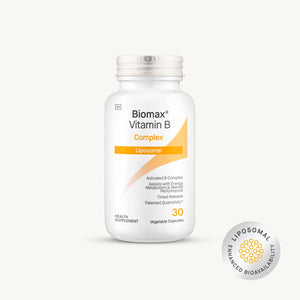
A balanced diet typically provides sufficient biotin, but targeted supplementation may be beneficial for hair and skin support. Try Biomax® Vitamin B Complex Liposomal for added supplement support.
Vitamin C: Key for Immunity, Skin, and Iron Absorption
Vitamin C deficiency can impair immunity, slow healing, and reduce iron absorption [1].
Vitamin C is a powerful antioxidant that supports immune defence, collagen production, bone formation, and enhances the absorption of iron [1].
Key symptoms of low vitamin C:
- Frequent infections
- Slow wound healing
- Bleeding gums
- Fatigue [1]
Dietary sources:
- Citrus fruits
- Berries
- Tomatoes
- Potatoes
- Leafy greens [1]
Recommended intake: 40–120 mg/day
How to support vitamin C levels:
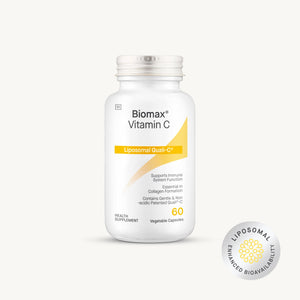
Eat a variety of fresh fruits and vegetables daily, and consider supplementation during periods of illness or stress. Try Biomax® Vitamin C Liposomal for added support.
Vitamin D: Crucial for Bone Health & Immunity
Vitamin D deficiency can affect bone strength, immune function, and overall well-being.
Vitamin D helps regulate calcium balance and supports bone metabolism [1], while also playing roles in muscle, immune, and nervous system function. Limited sun exposure is a major contributor to deficiency [2].
Key symptoms of low vitamin D:
- Bone or muscle pain
- Frequent illness
- Low mood
- Fatigue [5,6]
Dietary sources:
- Fatty fish (like salmon and mackerel)
- Egg yolks
- Cod liver oil
- Fortified foods [1,2]
Recommended Intake: 15-25 mcg/day
How to support vitamin D levels:
Safe sun exposure, diet, and supplementation are often necessary – especially during winter or for those who spend most of their time indoors. For added supplement support, try Phytomist® Vitamin D3+K2 Oral Spray.
How to Support Nutrient Levels Holistically
Supporting nutrient levels requires a combination of a balanced diet, lifestyle optimisation, and targeted supplementation when needed.
Start with a nutrient-dense, whole-food diet rich in fruits, vegetables, quality proteins, and healthy fats. Address gut health, as absorption plays a critical role in nutrient status.
If you’re experiencing persistent symptoms, consider functional testing and professional guidance to identify and correct specific deficiencies.
Nutrient deficiencies are common – but they’re also highly correctable when identified early. By understanding the role of key vitamins and minerals and making small, consistent changes to your diet and lifestyle, you can support your energy, immunity, and long-term health in a meaningful way.
This content is for informational purposes only and does not constitute medical advice. Always consult with your healthcare provider before starting any new supplement, especially if you are pregnant, nursing, have a medical condition, or are taking prescription or chronic medication.