Allergies are among the most common issues in children's health – and the decisions made in the first year of life can shape a child's immune trajectory for decades. In this episode of the Her Health™ Podcast, Dr Kate Browde, paediatrician and allergy specialist, brought clarity to a space that is often driven by fear, outdated guidelines, and well-meaning advice that turns out to be wrong.
From the allergic march and the gut-versus-skin immune system to desensitisation, antihistamines, and the critical role of iron in early life, this conversation was built around one idea: early knowledge, early action, and far better outcomes.
Rapid Fire: What Affects Allergies and Allergy Prevalence, Rated
We asked Dr Kate to rate common factors from zero (no effect on allergies) to 10 (major effect):
- Breastfeeding – 10/10: One of the most evidence-backed preventative strategies available. The immune transfer it facilitates is significant.
- Skin barrier integrity – 10/10: The foundation of allergy prevention. More on why below.
- Allergy testing – 10/10 for food allergies in young children: Nuanced in other contexts – but in young children with food allergies, early testing represents an opportunity that is too often missed.
- Iron – 8/10: A cofactor that contributes to a healthy skin barrier, healthy immune function, and better allergy outcomes. It also compounds the severity of allergy symptoms when deficient.
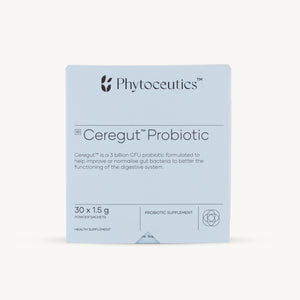
- Probiotics – 8/10: Evidence is growing consistently. Particularly promising when started in the third trimester of pregnancy, continued through breastfeeding, and given to babies from birth.
- Eating everything during pregnancy – 10/10: A non-restrictive diet in pregnancy is one of the clearest preventative strategies available.
- Early introduction of allergens – 10/10: The research here is unambiguous. More on the LEAP study below.
The Allergic March – Why Eczema Is Just the Beginning
Dr Kate opened with a concept that reframed the entire conversation: the allergic march. In individuals with an underlying allergic tendency, allergic conditions don't develop randomly – they develop in a predictable sequence. Eczema typically appears first. Food allergies follow. Allergic rhinitis and asthma come later.
The implication is significant: eczema in infancy isn't just a skin condition. It's the gateway to a broader allergic trajectory – and if it can be prevented and treated early, the downstream conditions can potentially be avoided entirely.
"If we can prevent the eczema, treat the eczema, and prevent the food allergies, we can kind of prevent that whole cascade of allergenic inflammation."
This was why Dr Kate's most emphatic message to parents was: be more scared of the eczema than of the cortisone cream you'll use to treat it.
Eczema – What Causes It and How to Treat It
Dr Kate was clear that eczema was not, as many parents hoped, caused by a single dietary trigger. Removing wheat, gluten, or any other specific food was rarely the answer.
The underlying driver in most cases is a genetic mutation in the filaggrin gene, which codes for a defective skin barrier. Even in skin that appears unaffected, people with eczema show increased transepidermal water loss – the barrier is compromised, moisture escapes, and dry skin becomes itchy skin. Dr Kate described this as the itch that rashes, not the rash that itches.
The itch-scratch cycle that follows introduces bacteria from the nails and environment, creating a secondary inflammatory cascade on top of the barrier dysfunction. And with a compromised barrier, environmental food proteins – most commonly from house dust mites, from surfaces, and from contact – have a direct route to the skin immune system.
She emphasised that treatment of eczema, done correctly and promptly, was the single most important thing a parent could do to interrupt this cycle. Used at the right dose and tapered appropriately, topical cortisone creams are safe. Non-steroidal alternatives are now also available for maintenance. Dr Kate also explained how a mother taking probiotics and giving them to her baby from birth throughout childhood can help strengthen the baby's skin barrier. The risk of leaving eczema untreated far outweighs the risk of using prescribed topical treatment correctly.
The Gut vs the Skin: How Food Allergies Actually Develop
This was one of the most practically important sections of the conversation – and one of the things Dr Kate said parents most commonly told her they wished they'd known sooner.
The immune system operates differently in the gut and the skin. The gut immune system is largely tolerant – it's designed to encounter a vast range of foods and proteins and leave them alone. The skin immune system, by contrast, is primed to fight. Anything that penetrates the skin is treated as an invader.
When a baby with eczema – and therefore a compromised skin barrier – is exposed to a food protein through the skin before consuming it orally, the skin immune system classifies that protein as a threat. Every subsequent exposure triggers a fight response. That is how a food allergy develops.
Dr Kate was direct about the practical consequence: never moisturise a baby with food-based products. Coconut oil, nut oils, and food-derived creams applied to broken or eczema-prone skin carry the protein that can sensitise the immune system. Vaseline or well-tested barrier creams that clearly contain no food protein are safer choices.
She noted that peanut and egg were the most common allergies in eczema babies – and studies had found both peanut protein and egg protein in household dust. Sensitisation through broken skin can happen without a parent ever deliberately applying food to the skin.
"Get it into the tummy before it gets onto the skin."
Early Introduction of Allergens – Why the Guidelines Changed
For years, parents were advised to delay introducing high-allergen foods – particularly peanuts – until after 12 months. That guidance has been overturned.
Dr Kate referenced the landmark LEAP study (Learning Early About Peanuts), which demonstrated that introducing peanut protein from as early as four months – as soon as solids began – produced a dramatic reduction in peanut allergy development. Getting the allergen into the gut before it reached the skin through environmental exposure was key.
Current guidelines recommend allergen introduction between 4.5 and 6 months, as soon as weaning begins. For children at risk of food allergies – particularly those with eczema – this is not optional. It is one of the most impactful decisions a parent can make in that first year.
Allergy Testing – Earlier Than You Think
Dr Kate addressed a misconception she encountered regularly: that allergy testing couldn't or shouldn't be done before the age of two. She was direct – this was an opportunity lost.
Food allergies in young children can be tested from three months. The antibody-mediated response – the immediate type of allergic reaction involving swollen lips, itchy eyes, and rash, which carries the risk of anaphylaxis – can be identified through blood or skin prick testing. The sooner it is identified, the sooner the immune system can be guided toward tolerance.
She explained that between six and twelve months, the immune system is at its most malleable. Introducing a tiny, carefully calibrated amount of the allergenic protein during this window – a process called oral immunotherapy or desensitisation – can redirect the immune response entirely. In younger children especially, there is a real possibility of a complete cure. In older children, the goal shifts to protection: teaching the body that the protein is safe, and maintaining that tolerance through ongoing daily exposure.
Desensitisation: How It Works
Dr Kate described oral immunotherapy for peanut allergy as starting with five milligrams of peanut flour – an amount so small it was barely visible – mixed into breast milk or juice and given by syringe. Doses are increased slowly over time, with skin prick testing every three to six months to monitor progress.
In older children who have gone through the full protocol, maintenance typically involves eating a small amount of peanut daily – an M&M, a spoon of peanut butter – to keep reminding the immune system that the protein is safe. In some younger children treated early enough, the immune system resets sufficiently that daily maintenance is no longer necessary. Dr Kate was honest that she couldn't predict in advance who would achieve that outcome.
Antihistamines – What Is Safe and What to Avoid
Dr Kate explained that for ongoing allergy management, non-sedating antihistamines are safe when used correctly – but not all antihistamines are equal. Sedating antihistamines cross the blood-brain barrier and with long-term use in children are associated with daytime sleepiness, impaired concentration, mood changes, and effects on school performance. They are not appropriate for long-term daily use.
Non-sedating antihistamines – cetirizine, loratadine, desloratadine – are safe for long-term use and do not carry the same risks. For allergic rhinitis specifically, she recommended combination nasal sprays containing both a topical corticosteroid and an antihistamine as the most effective first-line treatment. Used topically in the nasal passage at the prescribed dose, the corticosteroid is not absorbed systemically and is significantly safer than leaving chronic nasal inflammation untreated.
She also mentioned quercetin – noting that it shows promise as a natural mast cell stabiliser, which aligns with its use as a supplement support for allergy sufferers.
Iron – The Underrated Factor in Allergy Prevention
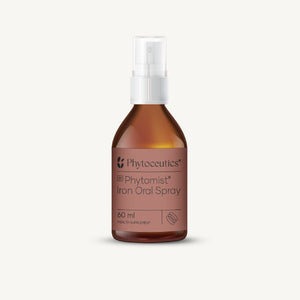
Dr Kate returned to iron with more detail after flagging it in the rapid fire. Iron plays a role as a cofactor: it supports skin barrier integrity, underpins a healthy immune system, and compounds the severity of allergy symptoms when deficient.
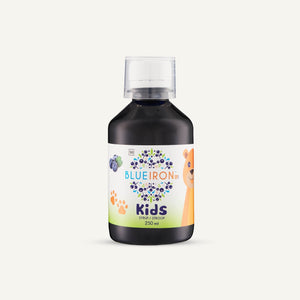
She explained that babies are born with iron stores transferred from the placenta – enough to last approximately four months. After that, breast milk alone is insufficient to maintain adequate iron levels. Without early introduction of iron-rich foods – and many babies aren't eating significant quantities of red meat or liver at four months – iron supplementation from around four months is necessary.
She was equally practical about formulation: iron drops that cause constipation in a baby already adjusting to solids create unnecessary difficulty. Formulations that are gentler on the gut and specifically designed not to cause constipation make compliance far more realistic.
Community Questions Answered
Does dairy make children more snotty?
Not immunologically, and not measurably. The feeling of thicker secretions is real but is likely mechanical rather than inflammatory. Removing dairy does not speed recovery or reduce actual mucus volume, unless there is a genuine milk allergy or intolerance – which has its own distinct presentation.
What allergens should be introduced first and when?
All major allergens as soon as solids are started – from around four to six months. For children at risk of food allergies, particularly those with eczema, earlier introduction is more important, not less. The goal is to get the protein into the gut before the skin is sensitised through environmental exposure.
If a parent has allergies, will their child?
Dr Kate explained that if one parent had any allergic condition – eczema, hay fever, or asthma – there was approximately a 70% chance the child would develop some form of allergic condition. With both parents affected, that rises to over ~90%. The specific condition the child develops may differ from the parents'. What is inherited is the tendency toward immune overreactivity, not a specific allergy.
One Tip Everyone Can Start Today
"Be more scared of eczema than of the cortisone cream you'll use to treat it. The consequences can be devastating. If prescribed in the correct dose, you are not going to have side effects."
Allergies are not inevitable – and even where genetic predisposition exists, the choices made in the first year of life matter enormously. As Dr Kate Browde reminded us, early testing, early allergen introduction, skin barrier protection, and prompt eczema treatment are not overcautious measures. They are the interventions most likely to change a child's allergic trajectory before it is set.
Use code HERHEALTH at checkout for 20% off your next order.
This content is for informational purposes only and does not constitute medical advice. Always consult with your paediatrician, healthcare provider or a qualified allergy specialist before making any changes to your child's diet, supplement routine, or treatment plan, especially if your child has a known allergy, eczema, or any other medical condition. This unregistered medicine has not been evaluated by SAHPRA for its quality, safety or intended use. If symptoms persist, consult your healthcare provider.