Movement is one of the most powerful tools we have for longevity and healthy ageing – yet many of us still think exercise must mean pushing harder, doing more, or punishing ourselves in pursuit of results.
In this episode of the Her Health™ Podcast, Lisa Palmer, founder and CEO of Movement Lab, shares a refreshingly balanced perspective on movement, ageing, Pilates, posture, fascia, and why consistency will always matter more than intensity.
With over 26 years of experience in Pilates and movement education, Lisa opens up about her own journey into the wellness space, how movement helped transform her life through difficult seasons, and the practical habits every woman can adopt to stay mobile, strong, and confident as she ages.
Rapid Fire: Wellness Practices, Rated
To kick things off, we asked Lisa to rate popular movement and wellness practices from 0 (not great) to 10 (amazing):
- Stretching – 8/10: Beneficial for many, but depends on your body type and mobility needs.
- EMS (Electrical Muscle Stimulation) Training – 5–6/10: Helpful for rehabilitation post-injury, but Lisa feels it can sometimes become "the lazy way to exercise."
- Pilates – 10/10: No surprises here.
- Walking Barefoot in Nature – 10/10
- Joint Support Supplements – 10/10
- Fascia Training – 10/10
- Strength Training – 10/10
- Vitamin D – 10/10: Lisa credits vitamin D not only for bone health, but also mood support and overall well-being.
- Perfect Posture – 8/10: A goal worth striving for – but not something to feel guilty about if you're still working on it.
- Consistency Over Intensity – 10/10: One of Lisa's biggest wellness philosophies.
- Rest Days and Sleep – 10/10: Recovery matters just as much as movement.
How Pilates Changed Lisa's Life
Lisa's Pilates journey began unexpectedly in Port Elizabeth, where she first started as a client at a friend's studio.
At the time, she was working in photography and navigating a particularly difficult period in her life. What began as movement soon became something much deeper.
Rather than focusing purely on physical transformation, Lisa explained that Pilates gave her clarity, resilience, and confidence.
"It made me stronger mentally. It gave me courage to make decisions."
That mind–body connection ultimately helped her navigate major life transitions, including divorce and becoming a single mother – eventually inspiring her to train as an instructor and help others experience the same transformation.
Why Breathwork Matters More Than You Think
Breathing may feel automatic, but Lisa explained that how we breathe during movement has profound effects on the body.
In Pilates, the focus is on:
- Inhaling through the nose
- Exhaling through the mouth
- Creating deep abdominal engagement
Breathing through the nose helps filter pathogens and warm the air before it reaches the lungs, while a controlled exhale activates deep core muscles such as the pelvic floor and transverse abdominis.
According to Lisa, breath is one of the most overlooked wellness tools available to us.
"We take it for granted in our daily lives, and it's something we should be doing more of for sure."
If you've ever felt dizzy during Pilates, Lisa recommends slowing down your breath, extending your inhale and exhale, and paying attention to the pause between breaths rather than rushing through them.
Why Walking Barefoot Is So Good for You
One of Lisa's strongest recommendations? Spend more time barefoot – on grass, on sand, even just around the house.
Modern life has disconnected us from the natural movement patterns our feet were designed for. Constant shoe-wearing weakens the intrinsic muscles of the feet and limits elasticity and natural mobility.
Benefits of walking barefoot include:
- Strengthening foot muscles
- Supporting the arch of the foot
- Improving balance and mobility
- Encouraging healthy posture
- Supporting fascia health
Mat Pilates vs Reformer vs Barre: What's the Difference?
If you've ever wondered which Pilates format is best, Lisa broke it down simply.
Mat Pilates
Mat Pilates uses bodyweight and core-focused exercises performed predominantly on the floor.
Contrary to popular belief, Lisa says mat Pilates is not easier. In fact, many people find it more challenging because there's no machine support – only your own body.
Benefits include:
- Core strength
- Functional movement
- Improved posture
- Three-dimensional movement patterns
- Greater body awareness
Reformer Pilates
Reformer Pilates uses spring-loaded resistance equipment that supports movement while still building strength and control.
It can be especially beneficial for:
- Beginners
- Those recovering from injury
- Less mobile individuals
- Strength and resistance training
Interestingly, reformers were originally created by Joseph Pilates using hospital bed springs to help rehabilitate patients.
Barre Classes
Barre focuses predominantly on standing work inspired by ballet movements.
Lisa believes standing workouts are particularly important in today's sedentary world because they teach us how to stabilise the body in an upright posture.
Benefits include:
- Improved balance
- Better ankle, knee, and hip stability
- Functional strength
- Postural support
The Movement Formula for Midlife Women
So, what does the ideal workout week look like for women in midlife?
Lisa believes variety is key. Rather than overdoing one type of movement, she recommends combining:
- Pilates (mat or reformer)
- Strength training
- Cardio
- Walking
- Mobility work
- Rest days
Importantly, she emphasises that movement should work with your body – not against it. As women, hormonal shifts, stress, energy levels, and life stages all affect how we feel physically. Some days may call for an advanced class. Others may require gentler movement.
"The most important thing is learning to listen to our bodies and be gentle with ourselves."
Menopause, Movement, and Learning to Slow Down
Lisa spoke candidly about how menopause has changed her relationship with movement. Rather than pushing herself relentlessly, she has shifted toward a softer, more sustainable approach.
She explained that while she still trains consistently, she no longer feels pressured to overdo it in advanced classes. Instead, she prioritises:
- Beginner and fundamentals sessions
- Recovery
- Strength maintenance
- Listening to her body
- Sustainable consistency
She also opened up about one of the most common frustrations women face during menopause: weight changes.
Lisa explained that menopause made her more aware of:
- Protein intake
- Carbohydrate balance
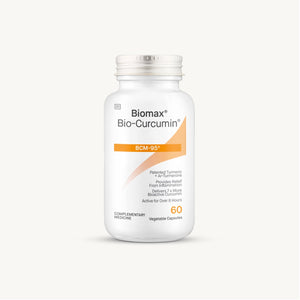
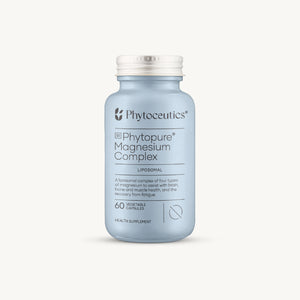
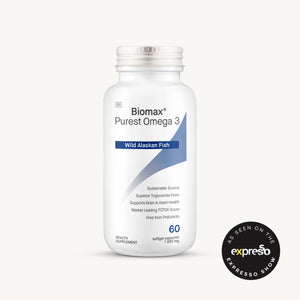
- Supplement support — Lisa takes Phytofemme™ Hair, Skin and Nails, Vitamin D3, B12, Bio-Curcumin®, omega-3s, magnesium glycinate, and a multivitamin
Her honesty is an important reminder that changing bodies are normal – and adapting your wellness approach is often part of the process.
Fascia: The Missing Piece of Movement
Fascia has become one of wellness' biggest buzzwords – but what actually is it?
Lisa explained fascia as connective tissue that surrounds every muscle, organ, and structure in the body. Think of it as a full-body interconnected web – from the arch of your foot to the crown of your head. What happens in one area can influence another.
For example, tightness in the feet may contribute to tension further up the body – even headaches. That's why movement needs to be three-dimensional, rather than repetitive or linear.
According to Lisa, fascia responds particularly well to:
- Walking barefoot
- Skipping
- Jumping
- Dancing
- Swimming
- Running
- Resistance bands and springs for buoyancy
- Vitamin D supplementation
Interestingly, fascia adapts more slowly than muscle – but the benefits tend to last longer. Lisa also believes fascia can hold trauma and tension, making fascial release especially beneficial after injuries or around scar tissue.
Lisa's Non-Negotiables for Healthy Ageing
For mobility, posture, and strength as we age, Lisa recommends prioritising:
- Daily walking — free, accessible, and promotes vitamin D absorption
- Strength training — especially important for bone density and joint health in midlife
- Pilates — for flexibility, posture, core strength, and mobility
- Back extension exercises — posterior-kinetic chain movements for back muscles and spinal strength
- Vitamin D — for mood, immunity, and bone health
- Good nutrition — prioritising whole foods, hydration, and protein, and avoiding processed food
- Rest days — recovery is part of progress
- Consistency over intensity — doing a little often beats overdoing it occasionally
Community Questions Answered
How much movement do we actually need?
Lisa believes even 20–30 minutes of movement, three to four times per week, can make a meaningful difference. You do not need punishing workouts to see benefits.
Is stretching necessary?
It depends. For people prone to stiffness and tightness, stretching can be incredibly beneficial. However, highly flexible or hypermobile individuals may actually benefit more from stability and core work than excessive stretching.
What's most important for bone and joint health?
Lisa recommends combining:
- Strength training for bone loading and bone density
- Pilates for flexibility, posture, mobility, and joint support
- Supplement support, including magnesium, vitamin D, omega-3s, and joint support nutrients
One Tip Everyone Can Start Today
Walk.
Simple, free, and profoundly effective. Whether it's a short walk around the block, movement in nature, or walking barefoot on the grass, Lisa believes regular movement is one of the greatest investments you can make in your future health.
Movement doesn't need to be extreme to be effective. As Lisa reminds us, ageing well is about consistency, strength, mobility, and learning to move with your body – not against it. Whether it's Pilates, walking, stretching, strength training, or simply spending more time outdoors, the key is finding movement that feels sustainable, enjoyable, and supportive of where you are in life. Because when it comes to ageing well, every small step really does count.
Use code HERHEALTH at checkout for 20% off your next order.
This content is for informational purposes only and does not constitute medical advice. Always consult with your healthcare provider before starting any new supplement, exercise programme, or wellness routine, especially if you are pregnant, nursing, have a medical condition, injury, or are taking prescription or chronic medication.