Your skin is your largest organ – and one of the most misunderstood. In this episode of the Her Health Podcast, Shannon Dougall, founder of Skin Functional, cuts through the noise of the skincare industry to share what actually works, what's pure marketing fluff, and how to build a routine rooted in science, transparency, and real results.
Rapid Fire: Skincare Ingredients and Treatments, Rated
To kick things off, we asked Shannon to rate common skincare ingredients and treatments from 0 (avoid) to 10 (exceptional) – and a few answers might surprise you:
- Retinoids – 10/10
- Hyaluronic acid – 10/10
- Beauty from within – 10/10
- Laser treatments – 5/10 – Highly effective on Fitzpatrick skin types 1–3 (fair-medium), but adverse events are possible in darker skin types.
- The gut–skin axis – 10/10
- Microneedling – 10/10
- PRP (Platelet-Rich Plasma) – 8/10
- Sunscreen – 10/10
- Skin barrier protection – 10/10
- Skin cycling – 10/10 – Provided you're on a proper cycle and don't overdo it.
- Face yoga / Gua sha – 0/10 – A firm no — Shannon would even go negative.
- Botox & fillers – 10/10
- Omega-3 – 10/10
- Exosomes – 10/10
The Story Behind Skin Functional
Shannon's journey into skincare started in marketing – but truly began when she developed melasma from an oral contraceptive. After trying countless products that failed to deliver, she experienced firsthand how overwhelming and dishonest the skincare industry could be. That frustration led to three years of research, cosmetic formulation study, and lab work – ultimately resulting in the Skin Functional range, built on a strong foundation of transparency, science, education, and skin intelligence.
Why Your Skin Barrier Comes First
Before any active ingredient enters the picture, Shannon noted that the skin barrier must be intact. Here's why it matters so much:
A compromised barrier leads to permeability and transepidermal water loss – meaning your skin loses hydration faster, accelerating the appearance of fine lines and wrinkles.
Without a healthy barrier, environmental aggressors penetrate the skin, causing reactivity and sensitivity.
Applying active ingredients (retinoids) on a damaged barrier triggers inflammation, irritation, and increased sensitivity – the opposite of what you want.
“The barrier is the number one port of call to sort out first – and then only introduce active ingredients.”
Barrier-loving ingredients to look for: squalane, hyaluronic acid, and ceramides.
Skin Cycling Explained
Skin cycling is a targeted approach to skincare where you rotate specific treatments across different nights – for example, one night for retinoids, another for deep hydration – rather than layering everything at once. The goal is to address multiple skin concerns without overstimulating your skin, giving it time to tolerate and respond to active ingredients more effectively.
Skin Minimalism: Less, But More Intentional
Nine-step routines are out. Skin minimalism is about cutting back to what actually works for your skin – choosing the right active ingredients at the right concentrations, and being intentional about how and when you use them.
And the starting point? Always knowing your skin type (oily, dry, sensitive) – which, as Shannon noted, is dynamic. It can shift with the seasons, with hormonal changes, and even with how you've been treating your skin.
Skincare Tips Through the Ages
Shannon explained how skincare should adapt with the changes in your skin as it ages:
In your 20s:
- Start a retinoid – prevention is everything.
- Introduce an exfoliator to maintain optimal cell turnover.
- Begin peptides early for their collagen-signalling benefits.
In your 30s, 40s and beyond:
- Prioritise ceramides and hyaluronic acid to replenish what your skin produces less of with each decade.
- Cell turnover slows significantly – exfoliation becomes even more essential.
- Continue retinoids and peptides, and consider adding exosomes.
Shannon's Non-Negotiables for Skin Protection and Anti-Ageing
For protecting your skin:
- A broad-spectrum UVA and UVB sunscreen of at least SPF 30 – every single day. The SPF in your makeup is not enough.
- Barrier-first always – focus on barrier-enhancing ingredients before anything else (squalane, hyaluronic acid, ceramides).
- Protective clothing outdoors – sunscreen alone doesn't shield against visible light, one of the biggest drivers of excess melanin production.
For anti-ageing:
- Optimal hyaluronic acid to plump skin and reduce the appearance of fine lines.
- Peptides – start in your 20s to slow the process down before it begins.
- Retinoids – proven and phenomenal for skin cell turnover and ageing.
“A wrinkle is actually a scar. We can't fight the process – but we can aid in slowing it down.”
The Gut–Skin Axis: Supporting Beauty from Within
Shannon is a firm believer in addressing skin from the inside out. When the gut is in dysbiosis, it shows up on your skin – dullness, breakouts, irritation. Her daily inner health routine includes:
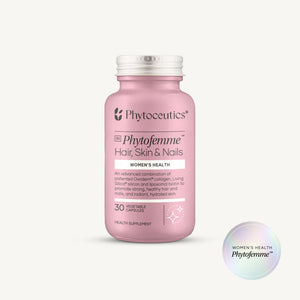
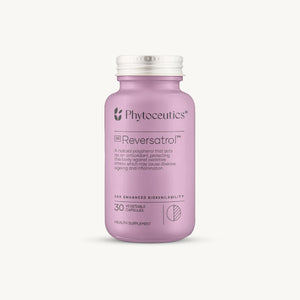
- Combining topical and oral antioxidants such as pycnogenol and resveratrol for preventative skin protection.
- Prebiotics and postbiotics daily to support a balanced gut microbiome.
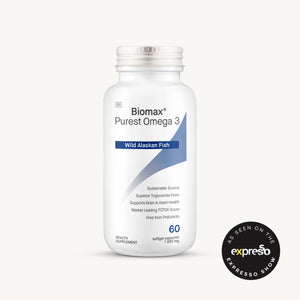
- Omega-3 for its anti-inflammatory properties and skin hydration from within.
Shannon notes that topical and internal approaches must work together – a 360° approach is key. Internal antioxidants that help protect the skin from UV damage, wrinkling, and ageing work in symbiosis with what you apply topically.
The Truth about Skincare Marketing
Shannon explained how there is a lot of marketing fluff in the skincare industry. Her candid takes include:
- If a brand is promising radical results, treat it as a red flag – not a selling point.
- Self-reported studies are subjective and inherently biased. Clinical data from dermatology journals is the gold standard.
- High price does not mean better ingredients. Premium formulas can be made accessible – as Shannon has proven with her own brand.
Community Questions Answered
What's the best ingredient for acne?
Acne is an inflammatory disease, so the goal is to soothe inflammation and unclog the follicle. Shannon advised to look for salicylic acid, mandelic acid, and niacinamide – and pair them with an anti-inflammatory like centella asiatica or omega-3. If you're prone to breakouts, use these proactively rather than reactively. Acne is often hormonally driven, so management is the goal, not a quick fix.
How long before you know if a product is working?
Shannon’s first port of call is always to introduce one product at a time, and to patch test first – on the inside of your elbow or behind your ear – and wait 24 hours for any adverse reaction. Then give the product a minimum of three months before deciding to stop or continue.
Coming off the pill and breaking out?
After stopping oral contraceptives, hormones typically take six months to a year to rebalance – and your skin follows the same timeline. The approach is persistence, addressing internal hormonal shifts, and using topical ingredients to manage breakouts in the interim.
One Tip Everyone Can Start Today
“Sunscreen is the number one anti-ageing product. There's no point doing peptides and exosomes if you're not doing sunscreen. 365 days a year.”
Skin health is a lifelong journey – and as Shannon Dougall reminded us, it's one that rewards patience, consistency, and a willingness to truly understand your skin. From protecting your barrier to choosing clinically backed ingredients, the path to healthier skin isn't found in miracle claims or nine-step routines, but in smart, intentional choices made every day. Whether you're in your 20s just starting out or looking to refine your routine later in life, it's never too early – or too late – to invest in your skin the right way.
Use code HERHEALTH at checkout for 20% off your next order.
This content is for informational purposes only and does not constitute medical advice. Always consult with your healthcare provider before starting any new supplement or skincare treatment, especially if you are pregnant, nursing, have a medical condition, or are taking prescription or chronic medication.