PCOS is not just a hormonal issue – it’s a complex metabolic condition driven largely by insulin resistance, hormonal imbalance, and lifestyle triggers.
If you’re experiencing symptoms like irregular periods, acne, unexplained weight changes, excess hair growth, or difficulty falling pregnant, your body may be signalling deeper imbalances.
In this episode of the Her Health™ Podcast, gynaecologist and obstetrician Dr Kate Chambers breaks down what these symptoms actually mean, translating the science behind PCOS into clear, actionable insights.
Rapid Fire with Dr Kate Chambers
To set the tone, Dr Chambers rated key factors based on their impact on PCOS (0 = no impact, 10 = major impact):
- Chronic stress: 10/10
- Sleep quality: 8–9/10
- The contraceptive pill (when appropriate): 10/10
- Inositol (correct type and ratio): 10/10
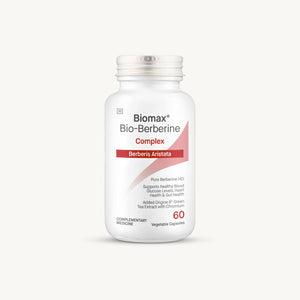
- Berberine: 8–9/10
- Strength training: 10/10
- Genetics: 10/10
- High sugar diet: 10/10
These responses highlighted a key theme: PCOS is multifactorial, with both lifestyle and biological drivers impacting the condition.
What Is PCOS?
One of the most important takeaways from this episode is that polycystic ovary syndrome (PCOS) is not simply an ovarian condition – it is a complex hormonal and metabolic disorder.
Dr Chambers explained that in a healthy menstrual cycle, the brain signals the ovaries to mature and release one dominant follicle (egg). Ovulation then triggers a cascade of hormonal changes that regulate the cycle.
In PCOS, this process becomes disrupted.
Instead of one follicle maturing fully, multiple follicles begin developing but get “stuck” mid-cycle. Ovulation does not occur consistently, meaning the hormonal cycle never completes as it should.
Importantly, Kate clarified a common misconception: these are not actually “cysts,” but rather multiple follicles that have failed to develop properly in the cycle.
This leads to irregular or absent periods – one of the hallmark signs of PCOS.
Signs and Symptoms of PCOS
Diagnosing PCOS requires a combination of factors, rather than a single test.
Dr Chambers explained that typically, patients must present with at least two of the following symptoms from the Rotterdam criteria:
-
Irregular or absent ovulation/anovulation (missed or inconsistent periods)
-
Polycystic ovaries visible on ultrasound
-
Clinical or biochemical signs of elevated testosterone
Common symptoms of elevated testosterone include:
-
Acne
-
Excess facial or body hair
-
Hair thinning or male-pattern hair loss
-
Irregular menstrual cycles
-
Difficulty falling pregnant
Kate also highlighted signs of insulin resistance, such as skin tags and darkened skin folds, which can provide additional clues.
A Driving Factor: Insulin Resistance
A central cause of PCOS is insulin resistance. Insulin is the hormone responsible for helping glucose enter cells to be used as energy. In PCOS, the body becomes less responsive to insulin, leading to higher circulating levels.
While many tissues become resistant to insulin, the ovaries remain highly sensitive.
This creates a cascade effect:
-
The body produces more insulin to compensate
-
The ovaries respond by increasing testosterone production
-
The liver produces less sex hormone-binding globulin (SHBG), leading to more active testosterone
-
The adrenal glands also contribute to increased androgen production – DHEAS (Dehydroepiandrosterone), which is converted into testosterone
This increase in testosterone contributes to symptoms such as acne, hair growth, and disrupted ovulation.
Why Diagnosis Isn’t Always Straightforward
One of the challenges with PCOS is that diagnosis is not always clear-cut.
Ultrasounds alone are not sufficient, as many women – particularly younger women or those coming off the contraceptive pill – may show polycystic-appearing ovaries without actually having the syndrome.
Similarly, insulin testing is not always reliable or necessary in clinical practice. Instead, many practitioners rely on physical signs and overall presentation, eg. waist-to-hip ratio and skin tags.
This reinforces the importance of working with a knowledgeable healthcare provider who understands the complexity of the condition.
Genetics vs Lifestyle: What Really Matters
PCOS has a strong genetic component – meaning you can be predisposed to the condition.
However, genetics alone do not determine whether symptoms will develop.
As Dr Chambers explained, lifestyle factors such as diet, stress, and menarche (the first bleed in a menstrual cycle) often act as triggers.
“You can never cure polycystic ovarian syndrome; the genetics are always there. But you can manage it, so you don’t have the symptoms.”
Treatment: Beyond the “Quick Fix”
A major theme in the conversation was the balance between medical treatment and lifestyle intervention.
While medications such as the contraceptive pill, metformin, or other therapies can play an important role – particularly in managing symptoms like acne or irregular cycles – they are not addressing the root cause.
Dr Chambers emphasised that long-term management should include:
-
A balanced, anti-inflammatory diet
-
Blood sugar regulation
-
Regular movement and strength training
-
Stress management
-
Adequate sleep
For many women, supplements such as inositol and berberine can also support insulin sensitivity and hormonal balance when used appropriately.
Rather than an either-or approach, she advocates for a phased strategy: using medication when needed, while simultaneously building sustainable lifestyle habits.
PCOS Doesn't Mean Infertility
One of the most reassuring messages from this episode is that PCOS is not a diagnosis of infertility.
While irregular ovulation can make conception more challenging, many women with PCOS conceive naturally – especially when the condition is well managed.
Even in cases where additional support is needed, there are effective and often minimally invasive treatments available to assist ovulation.
Kate stressed the importance of early investigation if there are concerns, as well as considering the male partner’s sperm health before testing the female.
The Link Between PCOS & Chronic Disease
PCOS is closely linked to metabolic health, including an increased risk of type 2 diabetes and cardiovascular disease. This makes lifestyle intervention not just helpful, but essential.
Interestingly, Dr Chambers noted that PCOS can present in both “lean” and “overweight” individuals, with visceral fat (fat stored around the organs) playing a key role in metabolic risk – even in those who appear healthy externally.
This highlights the importance of focusing on internal health markers, rather than appearance alone.
PCOS diagnosis is not the end of the road – it’s the beginning of understanding your body better. With the right combination of education, support, and sustainable habits, women can take control of their symptoms, improve their health, and support their fertility.
As Dr Chambers emphasised, management is not about perfection or quick fixes – it’s about consistency, balance, and addressing the root causes over time.
Use code “HERHEALTH” at checkout for 20% off your next order.
This content is for informational purposes only and does not constitute medical advice. Always consult with your healthcare provider before starting any new supplement, especially if you are pregnant, nursing, have a medical condition, or are taking prescription or chronic medication.