In this episode of the Her Health™ Podcast, host Laura Johnston sat down with fitness coach Daniella Corder, widely known as Coach Cords, for an honest conversation about sustainable health, strength training for women, and why perfectionism sabotages progress.
Coach Cords shared her personal journey from a lifestyle centred around partying and alcohol to one rooted in discipline, balance, and long-term well-being. Her approach to health is refreshingly realistic, centred around a philosophy she calls “consistently average” – the idea that small, sustainable habits outperform extreme efforts.
From training and nutrition myths to viral diet trends and the importance of building muscle for healthy ageing the conversation unpacked what real, achievable health looks like for women today.
Rapid Fire: Fitness & Nutrition
To kick off the conversation, Coach Cords rated popular health and fitness trends from 0 (strong no) to 10 (strong yes):
- Strength training: “Can I go higher than a 10...?” – 15/10
- Excess cardio: 0/10
- Training fasted: 0/10
- Fasting in general: 3/10 (Depends on the woman, better tolerated by men)
- 8000–10,000 daily steps: 9.5/10
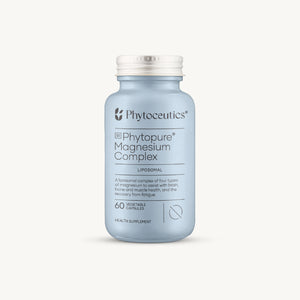
- Magnesium: 9/10
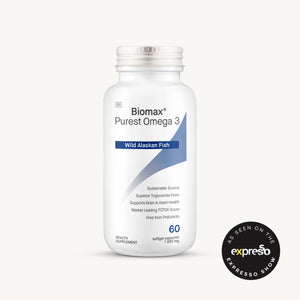
- Omega-3: 9/10
- Quality sleep: 10/10
- A glass of wine daily: “Personally, zero”. In general – 2/10
- Zero-carb diets: 0/10
- Rest days: 10/10
- Training according to your cycle: 8/10
From Party Lifestyle to Purpose
Daniella spoke candidly about her early adult years, describing herself as a “self-confessed party girl.” While she appeared healthy on the outside – exercising intensely and eating well – alcohol as a coping mechanism had quietly taken hold.
She explained that she often justified heavy drinking by compensating through extreme exercise and food restriction, a cycle that eventually became physically and emotionally exhausting.
Reflecting on that period, she shared:
“Physically I looked healthy, but mentally and emotionally, it was almost like I was living a double life.”
There was no single rock-bottom moment. Instead, the turning point came from the growing realisation that her lifestyle was misaligned with her values of authenticity and growth. Waking up repeatedly feeling depleted, while still needing to show up for clients as a health coach, eventually pushed her to make a change.
By being honest with herself and communicating openly with friends and family, she gradually began building a healthier lifestyle – one rooted in self-awareness, accountability, and support.
The Power of Being “Consistently Average”
One of Coach Cords’ core philosophies is the concept of “consistently average.”
She explained that many people fall into the trap of trying to be perfect from Monday to Friday, only to burn out and binge on the weekend. This all-or-nothing mindset creates a cycle where people constantly restart their health goals.
Instead, she encourages a more sustainable approach:
“Instead of being 100% good all the time, which isn’t realistic – just be consistently average.”
Allowing small indulgences regularly, such as enjoying chocolate during the week rather than restricting it until the weekend, can actually reduce binge behaviour and create a healthier relationship with food.
The message is simple: consistency matters more than perfection.
Why Protein Matters for Women
Protein has become one of the most discussed nutrients in modern nutrition, and Daniella emphasised its importance for muscle, metabolism, and long-term health.
She explained that protein helps:
- Build and maintain muscle
- Support bone health
- Increase metabolic rate
- Promote satiety and stable energy
However, many women still underestimate protein needs. Coach Cords recommends a simple guideline:
1.5–2.2 grams of protein per kilogram of body weight per day.
For example, a 60 kg woman should aim for roughly 90 g of protein daily.
She also encourages prioritising whole food protein sources, such as eggs, chicken, fish, and lean meats, while viewing protein powders and bars as supplements rather than replacements for balanced meals.
Carbs: Enemy or Ally?
Another myth Coach Cords addressed was the persistent fear of carbohydrates.
She explained that carbohydrates are the body’s primary fuel source, particularly important for exercise performance and brain function.
Many people mistakenly believe carbs cause weight gain because eliminating them often leads to rapid weight loss. In reality, this is usually due to water loss from glycogen depletion, not fat loss.
Daniella emphasised that eliminating entire macronutrient groups can negatively affect mental health, hormonal balance, and metabolic health.
Instead, she encourages focusing on whole-food carbohydrates, such as potatoes, rice, and other minimally processed sources.
Strength Training for Healthy Ageing
As a strength coach, Coach Cords believes resistance training should form the foundation of most exercise routines.
She described strength training as the “main meal” of fitness, with activities like yoga, Pilates, and cardio serving as complementary additions.
For beginners, she recommends a simple and sustainable structure:
- Three full-body strength sessions per week
- Daily walking or general movement
- Occasional high-intensity cardio sessions / 4x4 training once per week
- Optional: yoga or Pilates once per week
She also emphasised that modern lifestyles are increasingly sedentary. Even people who exercise regularly can still be classified as sedentary if they spend most of the day sitting at a desk.
Increasing daily movement therefore becomes just as important as structured workouts.
Why Fasted Training Isn’t Ideal for Women
Daniella also addressed the popular trend of fasted exercise, explaining that she prefers to train after eating a small pre-workout snack. Even something light can significantly improve performance and recovery.
She recommended aiming for around 15 grams of protein before strength training, and if the workout includes both strength and cardio, adding approximately 30 grams of carbohydrates.
The reason lies in how women’s physiology responds to low energy availability. When exercise begins without sufficient fuel, the body may break down lean muscle tissue, which is counterproductive when the goal is to build strength and muscle.
As Coach Cords explained, while fasted training is often believed to improve results, it can actually undermine muscle development and performance, making pre-workout nutrition essential for women.
Training With Your Cycle
Hormonal fluctuations can influence how women experience exercise throughout the month.
Coach Cords explained that during the follicular phase, higher oestrogen levels support energy, endurance, and strength, making it ideal for higher intensity training.
During the luteal phase, rising progesterone may lead to fatigue and reduced performance, making it beneficial to reduce intensity and prioritise consistency.
This approach encourages women to train with self-compassion, rather than frustration, recognising that hormones impact performance.
Diet Trends & the Resurgence of ‘Heroin Chic’
Social media continues to drive viral diet trends, from restrictive eating patterns to extreme approaches.
Coach Cords warned that these trends often distract from the fundamentals of nutrition.
“If a trend worked, we wouldn’t need another one.”
Instead of chasing quick fixes, she encourages understanding calories, macronutrients, and balanced meals, and building sustainable habits.
She also addressed the return of extreme thinness culture and the rise of GLP-1 medications like Ozempic, cautioning that prioritising rapid results can lead to muscle loss, reduced bone density, hormonal disruption, and metabolic issues.
Extreme diets, punishing workouts, and unrealistic expectations rarely deliver long-term results. Instead, focusing on strength training, balanced nutrition, adequate protein, daily movement, and rest creates a sustainable path to long-term well-being. The core message from Coach Cords’ conversation was clear: sustainable health is built through small, consistent habits.
Use code “HERHEALTH” at checkout for 20% off your next order.
This content is for informational purposes only and does not constitute medical advice. Always consult with your healthcare provider before starting any new supplement, especially if you are pregnant, nursing, have a medical condition, or are taking prescription or chronic medication.