Your diet directly influences your gut health, hormones, energy, weight, and nutrient status – but conflicting advice often makes it hard to know what actually matters.
In this episode of the Her Health™ Podcast, dietitian Jessica Kotlowitz (from The Green Dietitian) breaks down the science behind plant-based nutrition, protein intake, gut symptoms, nutrient deficiencies, and weight regulation. This conversation acts as a symptom translator, helping you understand what issues like bloating, low energy, hair loss, or difficulty losing weight may be signalling in the body –and how to respond with practical, evidence-based strategies.
Rapid Fire with Jessica Kotlowitz
To set the tone, Jessica rated key factors influencing nutrition based on their importance, from 0-10:
- B12 on a vegan diet: 11/10
- High protein diets: 7/10
- Daily bowel movements: 10/10
- Fasting: 3/10
- Sunlight first thing in the morning (with SPF): 10/10
- Red meat every day: 1/10
- Omega-3s: 8/10
- Probiotics: 7/10
- Getting enough fibre: 10/10
- Eating enough calories: 10/10
- Iron levels: 11/10
These responses highlighted a key theme: nutrition is nuanced, and both diet quality and individual needs play a major role in overall health.
Jessica’s Journey to Plant-Based Nutrition
One of the key takeaways from this episode is that a plant-based diet doesn’t have to be restrictive or extreme – it can be a gradual, flexible shift toward more plant foods.
Jessica’s journey began while struggling with acne, anxiety, high cholesterol, and IBS, alongside a growing interest in environmental sustainability and food ethics. Rather than eliminating foods overnight, she focused on adding more beans, legumes, and vegetables, allowing her diet to evolve naturally over time until animal products were phased out.
As she made this transition, she noticed meaningful improvements in her symptoms and overall health, highlighting the benefits of a well-planned plant-based approach.
Importantly, she emphasised that it’s not about perfection – it’s about building a diet rich in whole, plant-based foods while ensuring key nutrients are met.
How to Eat Enough Protein on a Plant-Based Diet
With so much conflicting information online, protein remains one of the most misunderstood areas of nutrition.
Jessica explained that while high-protein diets can be beneficial, they don’t need to rely on excessive animal products. It is entirely possible to meet protein needs through plant-based sources.
She highlighted that replacing meat with plant proteins or even mock meats may improve markers like cholesterol, inflammation, and weight.
Do Plant-Based Diets Cause Bloating?
A common concern with increasing plant foods is bloating and gas, particularly from legumes.
Jessica explained that this is often a temporary adjustment period. As the gut microbiome adapts to higher fibre intake, symptoms typically improve within 2–4 weeks.
Legumes are rich in prebiotics, which feed beneficial gut bacteria and support overall gut health.
This reinforces that discomfort is often part of adaptation – not a sign that plant foods are harmful.
For those struggling, she recommends:
- Starting with small amounts of fibre
- Gradually increasing intake
- Considering probiotics during the transition to support your gut microflora
Does Veganism Cause Nutrient Deficiency?
Nutrient deficiencies are often a concern in both plant-based and omnivorous diets.
Jessica highlighted that iron deficiency is common across the board – particularly in certain phases of life such as infancy, menstruation, and pregnancy – and is not exclusive to plant-based diets.
However, vitamin B12 is non-negotiable on a vegan diet. There are no reliable natural plant sources, making supplementation essential.
The Link Between Postpartum Hair Loss and Nutrient Deficiency
Postpartum health brings its own unique challenges, from weight changes to hair loss.
Jessica explained that postpartum hair loss is normal, but excessive shedding may indicate deficiencies in:
- Iron (the first nutrient Jessica tests for)
- Vitamin D
- Zinc
- Vitamin B12
- Thyroid function
- Copper (less common)
Does Neurodiversity Affect Picky Eating?
The episode also explored how ADHD and neurodiversity can influence eating habits.
Speaking from personal experience, Jessica shared that stimulant medications can suppress appetite, particularly in children. Strategies to support intake include:
- A nutrient-dense breakfast before taking medication
- Offering easy-to-consume snacks or liquids during the day
- Prioritising larger meals when appetite returns and medication wears off
- For picky eating, she highlighted Ellyn Satter’s division of responsibility approach:
- Parents decide what and when food is served
- Children decide what and how much to eat
This supports intuitive eating and reduces pressure around food.
Your Weight Set Point: How to Support Sustainable Fat Loss
One of the most insightful parts of the conversation was around weight set point – the weight your body naturally tries to maintain.
Jessica explained that the body resists both weight loss and gain through mechanisms that regulate hunger, metabolism, and energy output.
To shift your set point:
- Weight loss must be slow and sustainable
- Maintenance at the new weight is required for ~2 years
- Extreme dieting often backfires due to increased hunger and metabolic adaptation
Her approach prioritises:
- A small calorie deficit
- Moderate movement
- Avoiding overly aggressive dieting or exercise
This reinforces that long-term success comes from consistency, not extremes.
Fasting: Necessary or Avoidable?
Jessica rated fasting lower due to its potential impact on hormones, particularly in women.
She noted that fasting can increase cortisol levels, potentially disrupting:
- Menstrual cycles
- Ovulation
- Hormonal balance
When it comes to snacking, she emphasised that there is no one-size-fits-all approach.
“There is no hard and fast rule. You don't have to snack if you don’t want to – if you’re happy with 3 meals a day, that’s great too.”
Some people thrive on three meals per day, while others benefit from snacks to regulate hunger and energy levels – especially depending on lifestyle and schedule.
Supplements & Practical Nutrition For Fertility
When trying to conceive, supplements can play a supportive role – but must be used carefully. Jessica stressed the importance of checking the safety of the ingredients, including herbal add-ons and dosages, as well as speaking to your healthcare provider and testing your nutrient levels.
Jessica recommends:
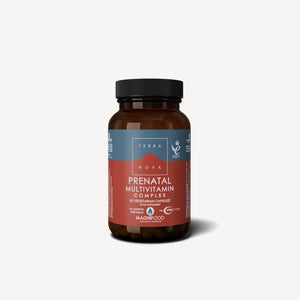
- A prenatal multivitamin
- Omega-3
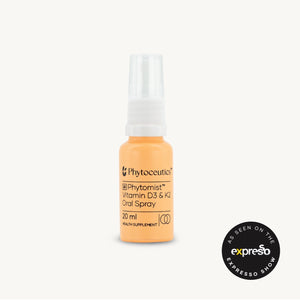
- Checking and optimising iron, vitamin D, and B12 levels
- Avoiding excessive intake of nutrients like vitamin A
She emphasised that supplements should support – not replace – a balanced diet.
Gut Health Red Flags: What to Look Out For
Understanding what’s normal is key when it comes to gut health.
Jessica outlined key markers to monitor:
- Stool frequency: 1–4 times per day (high fibre diet can increase frequency)
- Consistency: Not too loose or too hard
- Symptoms: Bloating, pain and cramps, excessive gas
- Red flags: Blood in stool, mucus, persistent discomfort
These signs can help identify when it’s time to seek further support.
There is no single “perfect” diet – only what works for your body, lifestyle, and health goals.
From plant-based eating and gut health to postpartum nutrition and weight regulation, the key is understanding your body’s signals – and responding with evidence-based, sustainable habits.
Use code “HERHEALTH” at checkout for 20% off your next order.
This content is for informational purposes only and does not constitute medical advice. Always consult with your healthcare provider before starting any new supplement, especially if you are pregnant, nursing, have a medical condition, or are taking prescription or chronic medication.