Your face ages from the inside out – and most of us don't realise quite how many layers are involved until someone explains it clearly.
In this episode of the Her Health™ Podcast, Dr Mignon Laub, an aesthetic GP specialising in beauty and healthy ageing, breaks down skincare and aesthetic science. From bone resorption and descending fat pads to retinol, collagen support, and the supplements that genuinely nourish your skin, this conversation is about understanding what's happening in your body – and what options exist, should you want them.
Rapid Fire: Healthy Skin Ageing Tools, Rated
We asked Dr Mignon to rate common approaches to healthy ageing from zero (not beneficial) to 10 (highly beneficial):
- Sunblock – 12/10: Off the scale. The single most important thing you can do for your skin, at any age.
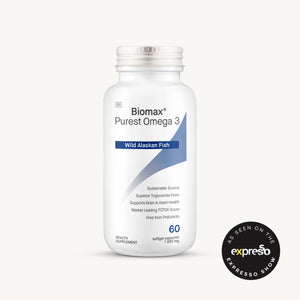
- Omega-3 supplements – 9/10: Essential for skin barrier support and locking in hydration.
- Fillers – 9/10: Effective when placed conservatively and correctly – placement is everything.
- Botox – 10/10: Preventative and corrective, depending on when and how it's used.
- Bio stimulators – 10/10: Stimulate your skin's own collagen production rather than replacing volume directly.
- Laser – 9/10: Effective – but skin type, technique, and practitioner expertise matter significantly.
- Dermapen – 9/10: Excellent for collagen stimulation, texture, and cell turnover.
- A healthy diet – 10/10: Non-negotiable. More on what to eat below.
- Beauty from within – 9/10: The combination of internal nourishment and external care is where real results happen.
- Alcohol – 0/10.
- Overfilling – 0/10: The source of most fear around aesthetic treatments – and rightly so.
How Ageing Actually Works – All the Layers
Dr Mignon's starting point is important: ageing happens from the inside out. Understanding this makes it much easier to understand why certain approaches – whether dietary, topical, or clinical – work the way they do.
Bone resorption. The bony structures of your face – around the eyes, midface, and jawline – lose volume and density over time. The scaffolding beneath your soft tissues gradually changes, which is why the face shifts in shape rather than simply developing surface lines.
Fat pad changes. The fatty pockets that give your face its structure shrink and shift downward over time. This is a normal part of ageing and affects everyone to different degrees.
Skin changes. Collagen and elastin production slow. Oil production decreases. Cell turnover – the rate at which your skin cells renew themselves – reduces significantly, contributing to dullness, dryness, and uneven tone.
On genetics: Dr Mignon estimates roughly 50% of how you age is inherited. People with more natural oil production and more facial volume tend to age more gradually. The other 50% is lifestyle, nutrition, and consistent care.
Bone resorption isn't something diet or supplementation stops – it's a natural process. What you can meaningfully influence is the health of your skin, the integrity of your skin barrier, and how well your body is nourished to support collagen production.
The Three Supplements Dr Mignon Recommends for Skin Health
Before anything else, Dr Mignon starts with what you put into your body. These three form her non-negotiable internal foundation:
Omega-3 fatty acids: Support the skin barrier, helping to lock in hydration and maintain the lipid layer that keeps skin supple. Fish oil is the most bioavailable form.
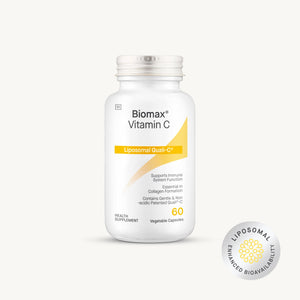
Vitamin C: An antioxidant that protects against oxidative damage, brightens skin tone, and – critically – can support collagen synthesis.
Probiotics: Gut dysbiosis can drive systemic inflammation, which often shows up on the skin as acne, sensitivity, dermatitis, or persistent dullness. A quality probiotic supports microbiome balance, and in turn, can support skin health. The gut–skin axis is well established in the research – it's not a trend.
"If your gut's not functioning, your skin won't."
What Changes Decade by Decade – and What to Know About It
Understanding what's happening to your skin at each life stage helps you make better decisions – whether those decisions involve clinical treatments, better skincare habits, or simply knowing what to look for.
In Your 20s: The Prevention Window
Dr Mignon explained that the most powerful thing you can do in your 20s is use sun protection – daily, without exception.
For those interested in preventative aesthetics: Dr Mignon started low-dose Botox (Baby Botox) at 24 – not to change her appearance, but to prevent the repeated muscle contractions that create permanent lines over years of movement. This is a personal choice, not a recommendation for everyone – but it illustrates why so many aesthetic practitioners talk about prevention rather than correction.
The foundation at this stage is simple: sunscreen, a basic skincare routine, and early antioxidant support if it suits you.
In Your 30s: Supporting What Starts to Slow
Collagen production begins to decline in your 30s, and cell turnover slows more noticeably. This is when introducing a retinol makes real sense – starting once a week to allow your skin to adapt, then building based on your own tolerance.
Understanding the treatments available at this stage – skin boosters (a light hyaluronic acid used for hydration and fine lines), bio stimulators (which encourage your skin's own fibroblasts to produce collagen) – gives you a clearer picture of what exists and why, should you ever want to explore those options with a practitioner.
In Your 40s: Volume and Skin Quality Shift
The 40s are when the layered nature of ageing becomes more visible – midface volume, temporal hollowing, and jawline definition all change more noticeably. Understanding this helps contextualise what you're seeing and why a one-dimensional approach rarely addresses it fully.
From a skincare standpoint, this is when consistent collagen stimulation – through retinol, targeted vitamin C, and quality nutrition – becomes even more valuable.
Treatments like dermapen, bio stimulators, and strategically placed fillers exist as options for those who want them. The key principle Dr Mignon emphasises is that the goal, if you choose that path, should always be to look restored and natural – like yourself, well-rested – rather than to reverse the clock entirely.
In Your 50s and Beyond: Long-term Skin Health
From your 50s onwards, skin becomes significantly drier, the skin barrier needs more active support, and collagen stimulation requires more consistent effort. This is when ingredients like ceramides, glycerin-rich moisturisers, and nourishing oils do meaningful work – and when consistent internal support through omega-3, vitamin C, and probiotics pays dividends.
For those considering more significant aesthetic options – including surgical ones such as a facelift – Dr Mignon's perspective is that the right time is when non-surgical approaches can no longer achieve what you're looking for. That's a personal threshold, and there's no single answer. What matters is having accurate information and a practitioner you trust.
The GLP-1 and Facial Ageing Question
With GLP-1 medications now widely used for weight management, Dr Mignon addresses something she's seeing clinically: rapid fat loss – including from facial fat pads – can accelerate the visible signs of ageing due to decreased collagen and elastin production. Sagging and dullness from reduced nutrient absorption, and a hollowed appearance are common with fast, significant weight loss of any kind.
For anyone managing their weight – through medication or otherwise – maintaining strong nutritional foundations becomes even more important. Omega-3, collagen support, vitamin C, and adequate protein all matter more, not less, during periods of significant change.
On Peptides: What the Research Actually Says
Injected peptides – including copper peptide GHK-Cu – are generating significant interest online. Dr Mignon's position is considered: the theory behind collagen stimulation via copper peptide is interesting, but there are no FDA approved published human trials yet, no regulatory approval, and no established safety data on how multiple peptides interact with each other or with other treatments.
Her advice is consistent with her broader philosophy: source your health decisions from qualified professionals using reputable information – not from social media protocols, however compelling they look.
Community Questions Answered
What's the best food to eat for your skin?
Prioritise nutrient-dense whole foods. For omega-3s specifically, fatty fish – salmon, sardines, mackerel – are your best dietary sources. Sugary, processed foods actively drive inflammation, which shows up on the skin over time.
What do patients not want to hear but need to?
Consistency. A single treatment, however good, achieves very little without a sustained routine around it. Sunscreen, retinol, supplements, nutrition, regular skincare – all of it, consistently applied over time. That's what actually works. There are no shortcuts.
What's the most overhyped treatment?
Non-medical facials – relaxing, but without active ingredients, peels, or anything that meaningfully stimulates cell turnover or collagen, the clinical effect is minimal.
One Thing Everyone Should Avoid
"Social media is such a problem. There's always the next big trend, and that's where people get their information from. Instagram photos and videos of how to do Botox. Get your knowledge from a reputable professional."
Healthy ageing and skincare are about knowledge, consistency, and making informed choices that suit your own life and values. As Dr Laub reminds us, the foundation is the same for everyone: sun protection, nourishing food, quality supplements, and a skincare routine that targets what your skin actually needs. What you build from there – whether that's a better moisturiser or a conversation with an aesthetic practitioner – is yours to decide.
Please note: This isn't a procedure protocol. It's a guide to knowledge. What you do with that knowledge is entirely yours to decide – be it internal support or surgical treatments.
Use code HERHEALTH at checkout for 20% off your next order.
This content is for informational purposes only and does not constitute medical advice. Always consult with your healthcare provider or a qualified aesthetic practitioner before starting any new supplement, skincare regimen, or treatment. This unregistered medicine has not been evaluated by SAHPRA for its quality, safety or intended use. If symptoms persist, consult your healthcare provider.